
GET THE POLISHED PROPERTY LOOK WITH
AMAZING LANDSCAPE CURBING & EDGING SERVICES
CUSTOM CONCRETE CURBING
EDGING BUILT TO LAST
Strongest Materials
Concrete is one of the most robust materials available for landscape edging, so it can withstand heavy traffic and won’t need to be replaced as often as other materials.

Low Maintenance
Once concrete edging is installed, you won’t have to do much to keep it looking its best.

CURB APPEAL
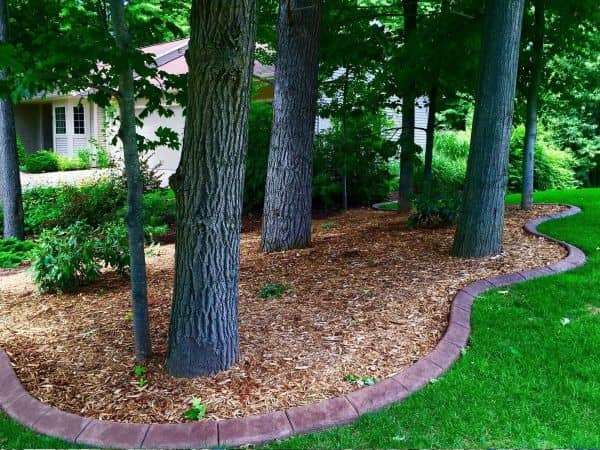
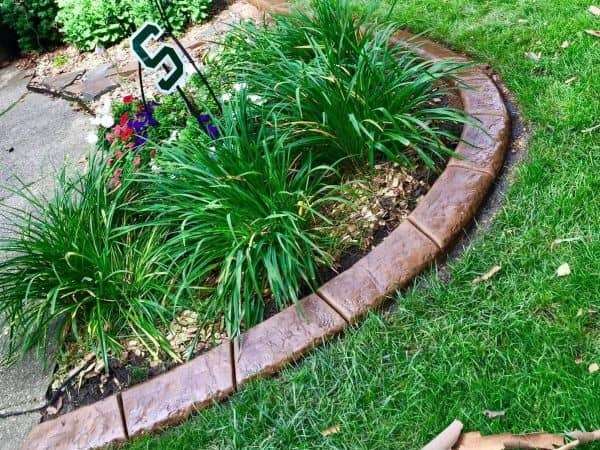
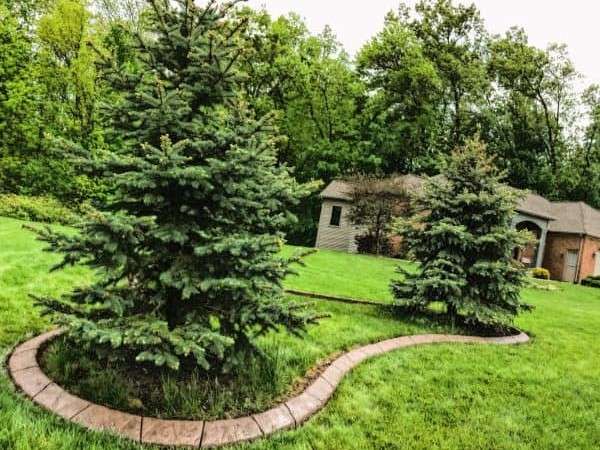
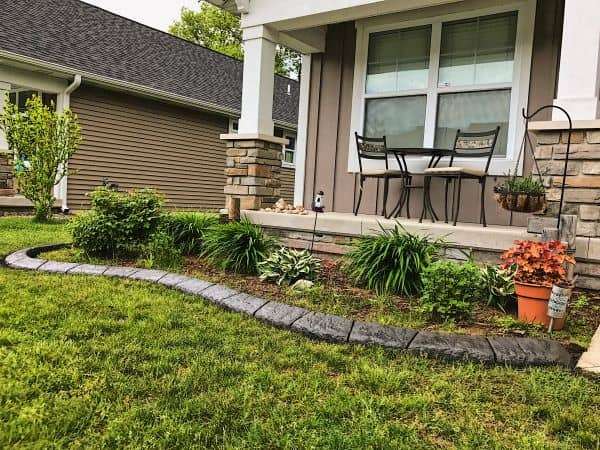
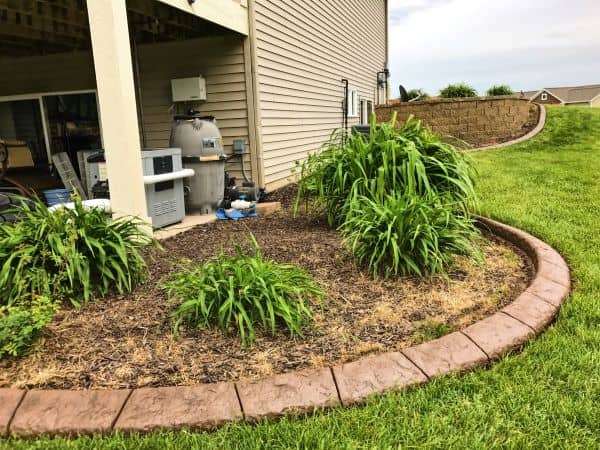
Concrete Curbing & Edging can be customized to match the look of your property and can be stained or stamped to create a unique design.

EASY TO CLEAN
Concrete edging is easy to clean and won’t fade over time.
Get A Landscape Edging Service That CAres.
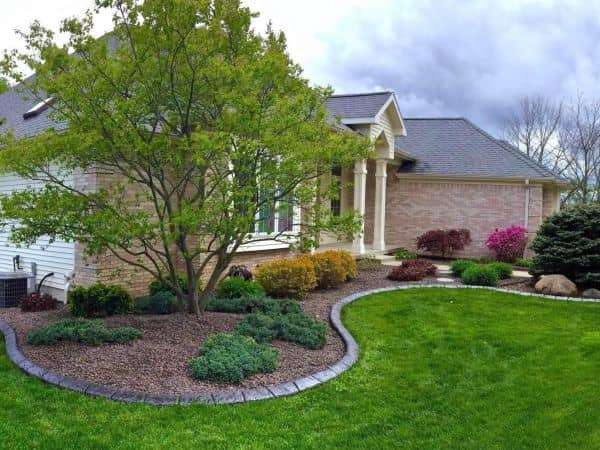
Concrete curbing can take your home and landscape to the next level while adding value to your property. Curbing is far more attractive than edging of the past, and its durability is unsurpassed.
At Premier Edge Concrete Solutions, your satisfaction is our top priority. We are dedicated to providing the best possible service and quality products so that you can enjoy your landscape for years to come. Contact us today to learn more about our services and get started on your project!
We look forward to working with you.
Why Get Landscape Curbing & Edging From Premier Edge?
Premier Edge Concrete Solutions has the experience you need in landscape edging. We have been in business for years and have completed thousands of projects during that time. Our team has the knowledge and expertise to get the job done right, and we’re always up for a challenge.
Our curbing installation causes no disturbance to your surrounding landscape and allows for reduced maintenance. Concrete edging acts as a permanent weed barrier and is great around pool areas, existing walkways, gardens, and decks.
Our concrete edging is continuous, so it doesn’t provide cracks for weeds and grass to penetrate. We even offer curb profiles that eliminate the need for weed-eating around your curbing. Colors are mixed completely through our concrete, leaving no worries about maintaining its color.
WE WORK HARD TO DELIVER EXACTLY WHAT YOU NEED
We know that every customer has a unique vision for their property. That’s why we work hard to deliver exactly what you need, whether a simple design or something more complex. We’ll sit down with you and discuss your options so that we can create a plan that meets your needs and exceeds your expectations.
Premier Edge adds fiber mesh to our concrete for added strength. We also embed two galvanized cables through the core of our curb for total strength and stability. To finish up, we put a coat of protective sealer on your concrete edging to keep your investment looking good for years to come.
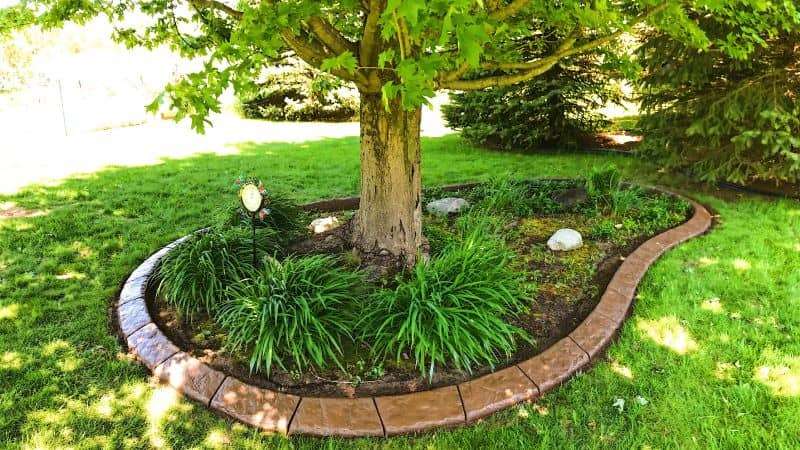
AMAZING LANDSCAPE EDGING FOR AN IMPROVED LOOK
Concrete edging can add value to your home and make it more attractive to potential buyers. If you’re thinking about selling your home in the future, investing in concrete landscape edging is a smart move. Concrete edging can also change the visuals on your landscape to get a different look other than the traditional grassy lawn.
Concrete landscape curbing can take your home and landscape to the next level while adding value to your property. Curbing is far more attractive than edging of the past, and its durability is unsurpassed. Premier Edge can help you separate your home from the rest with our unique concrete edging.
Call 616-816-2300 to talk about your landscape curbing & edging needs. We serve 70 miles around the Grand Rapids area in Michigan.
CALL US
STANDING BEHIND
EVERY PROJECT
STANDING BEHIND EVERY PROJECT

⭐⭐⭐⭐⭐
WHAT OTHER HOMEOWNERS SAY
WHAT MAKES US DIFFERENT?
At Premier Edge Concrete Solutions, we understand that quality matters – the job has to be done right. Our certified technicians have years of experience and skill in delivering our concrete solutions so every customer receives unparalleled excellence each time they come our way!
Installation Experts
always Professional & Friendly
Only The Best Products
What to expect from Premier Edge

fast quote
We know how crazy life can be. That’s why we make our process super easy from start to finish.

scheduled
Time is our most precious resource. That’s why we make our scheduling easy to work with and around your schedule.

satisfaction
One of our core values is to make sure every customer gets a smile on their face. We want you to 100% LOVE the decision you made
AREAS WE SERVE
Landscape Curbing & Edging In The Following Areas:
- Grand Rapids, MI
- Byron Center, MI
- Rockford, MI
- Cascade, MI
- Ada, MI
- Jenison, MI
- Grandville, MI
- Kentwood, MI
- Hudsonville, MI
- Walker, MI
- Belmont, MI
- Lowell, MI
- Sparta, MI
- Allendale, MI
- Holland, MI
- Grand Haven, MI
- Muskegon, MI
- Wayland, MI
- Caledonia, MI
- Sparta, MI
- Coopersville, MI
- Norton Shores, MI
- Forest Hills, MI
- Dorr, MI
- West Olive, MI
Prompt, Professional Service, Guaranteed.
TRANSFORM YOUR LANDSCAPE TODAY!
Call us today at 616-816-2300 or get a fast quote.

1680 Kreft St NE, Grand Rapids, MI 49525, USA
Phone: 616-816-2300
Email: office@premier-edge.com
1680 Kreft St NE, Grand Rapids, MI 49525, USA
Phone: 616-816-2300
Email: office@premier-edge.com
SERVICES
SERVICE AREA
© PREMIER EDGE CONCRETE SOLUTIONS | All Rights Reserved | Sitemap