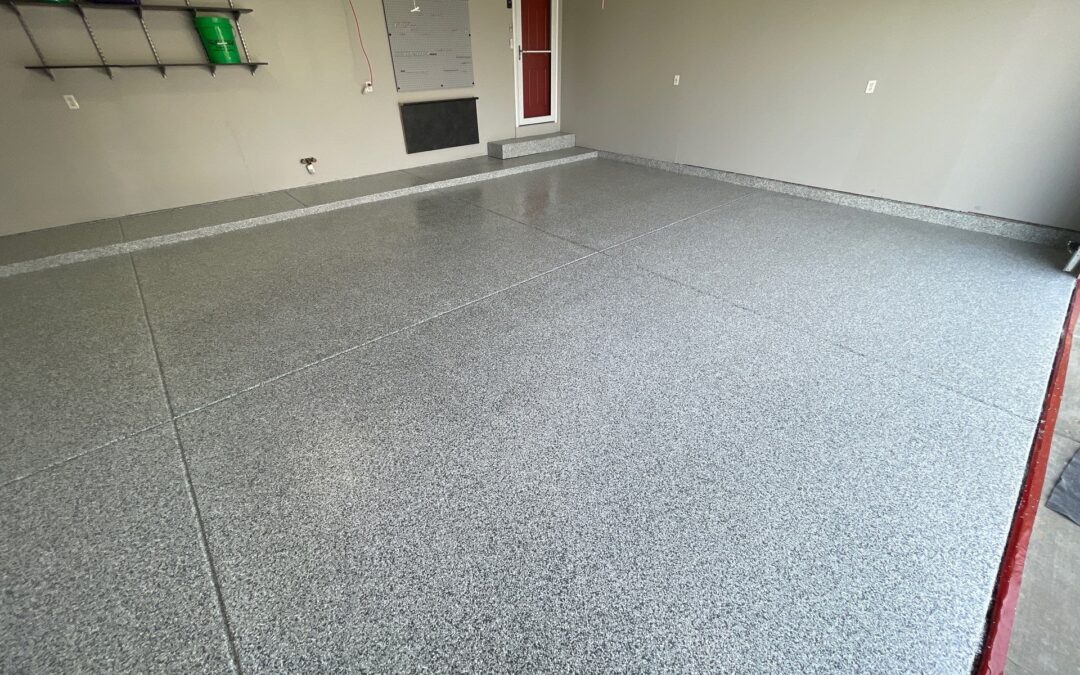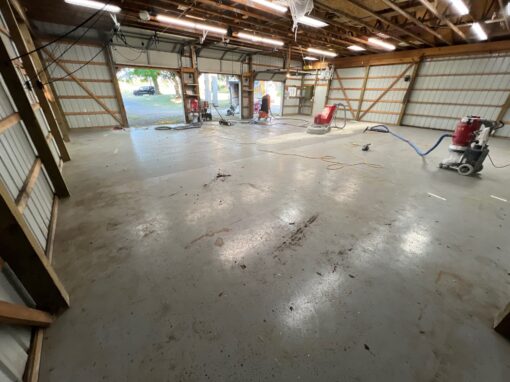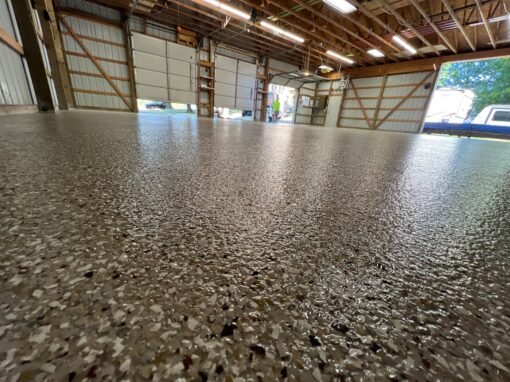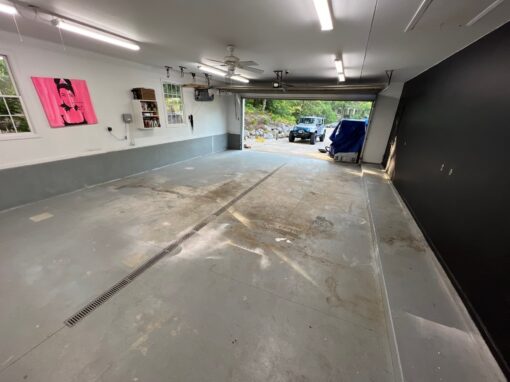

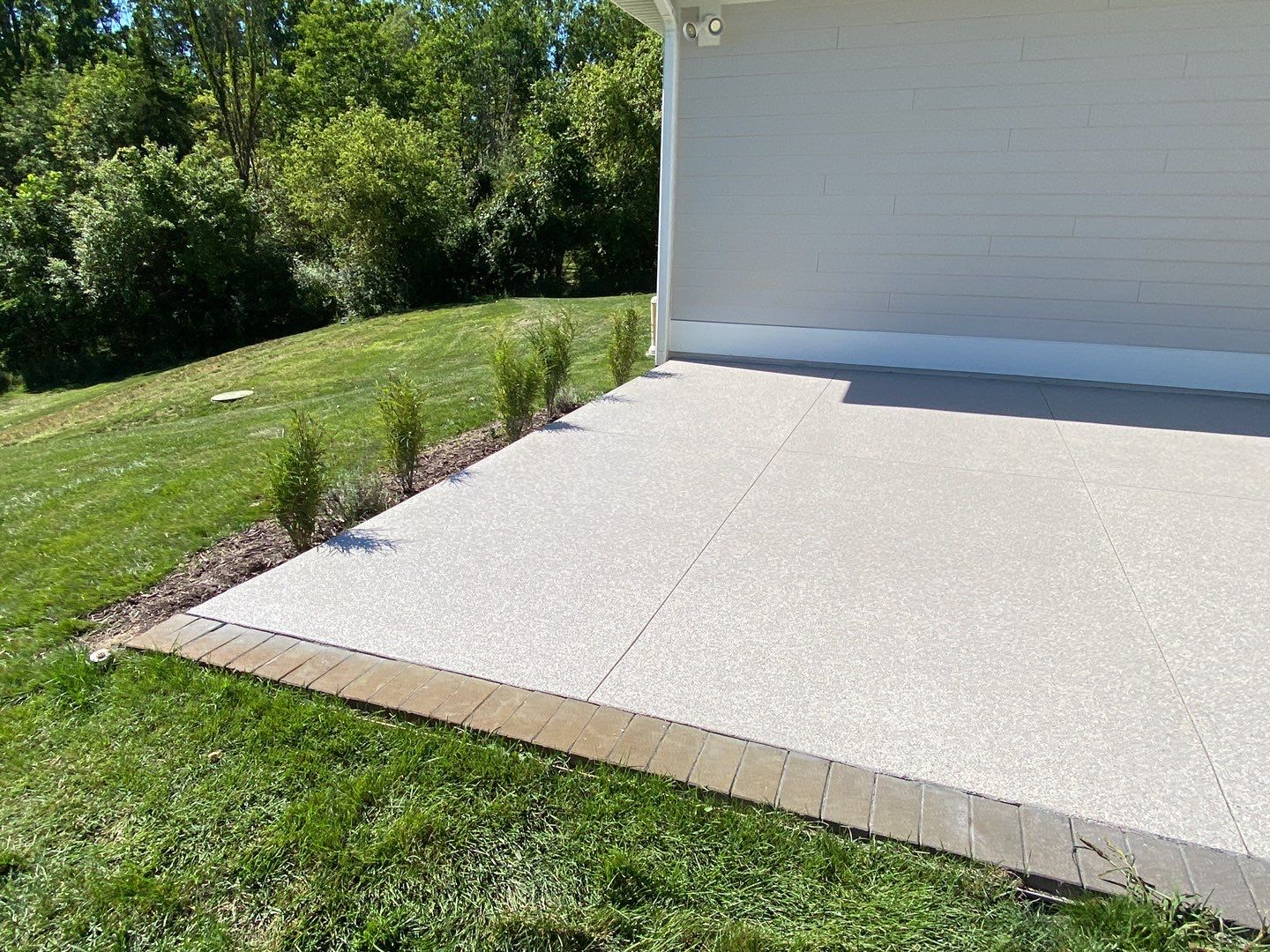
You’ve just invested in protecting your concrete surfaces with a professional sealant application. Your driveway, patio, or walkway looks pristine, and the urge to step onto the newly treated surface is strong. This is true whether you’ve chosen Concrete Sealing or a full Outdoor Floor Coating. This is all part of How Our Concrete Coating Works. But before you do, you need to know the answer to a critical question: how long after sealing concrete can you walk on it?
The answer is not a simple number. It depends on the type of sealant used, the environmental conditions, and whether the surface is dry or cured. Rushing this final step can compromise the sealant’s integrity, leading to premature failure and a wasted investment.
At Premier Edge Concrete Solutions, we ensure our clients understand the science behind the cure to guarantee the longevity of their Concrete Sealing investment.
Dry vs. Cured: The Crucial Distinction
When discussing concrete sealants, it’s vital to distinguish between two terms that are often confused:
1. Walk-On Time (Touch-Dry)
This is the time it takes for the sealant to feel dry to the touch, meaning it won’t transfer to your shoes or leave a mark. This is the minimum time you must wait before light foot traffic is permitted.
2. Full Cure Time
This is the time required for the sealant to achieve its maximum hardness, chemical resistance, and protective properties. During this period, the chemical reaction that gives the sealant its strength continues. Heavy traffic, chemical exposure, or water during this phase can permanently damage the finish. This is why we emphasize the cure time for our Garage Floor Coating and Commercial Resinous Flooring systems. This is all part of How Our Concrete Coating Works.
Curing Times by Sealant Type
The wait time is primarily dictated by the chemical composition of the sealant. Here is a breakdown of the typical curing times for the most common types used in residential and commercial applications:
| Sealant Type | Walk-On Time (Light Foot Traffic) | Full Cure Time (Heavy Traffic/Water) | Best For |
|---|---|---|---|
| Acrylic Sealers | 1–4 hours | 24–48 hours | Decorative concrete, patios, driveways (budget-friendly) |
| Penetrating Sealers | 2–6 hours | 24–72 hours | Driveways, walkways (natural look, superior water resistance) |
| Epoxy/Polyurethane | 12–24 hours | 5–7 days | Basement Epoxy Floor, Commercial Resinous Flooring, Epoxy Floor Coating. This is key to How Our Concrete Coating Works. |
| Polyurea/Polyaspartic | 4–8 hours | 24 hours (Rapid Cure) | Garage Floor Coating, high-traffic areas (fastest return to service). This is the technology behind our ADA Concrete Coating. |
The Premier Edge Difference: Polyurea/Polyaspartic
While traditional acrylic and penetrating sealers are common for simple Concrete Sealing projects, our high-performance polyurea and polyaspartic systems, often used for Outdoor Floor Coating and Garage Floor Coating projects, offer a significantly faster return to service. This fast cure time is also a major benefit for Basement Epoxy Floor installations. We also offer Landscape Curbing & Edging for exterior aesthetics.
- Walk-On Time: Often as little as 4 to 8 hours.
- Full Cure: Remarkably, these systems can achieve a full cure in as little as 24 hours, compared to the 5-7 days required for traditional epoxy. This means minimal disruption to your home life.
Factors That Affect Curing Time
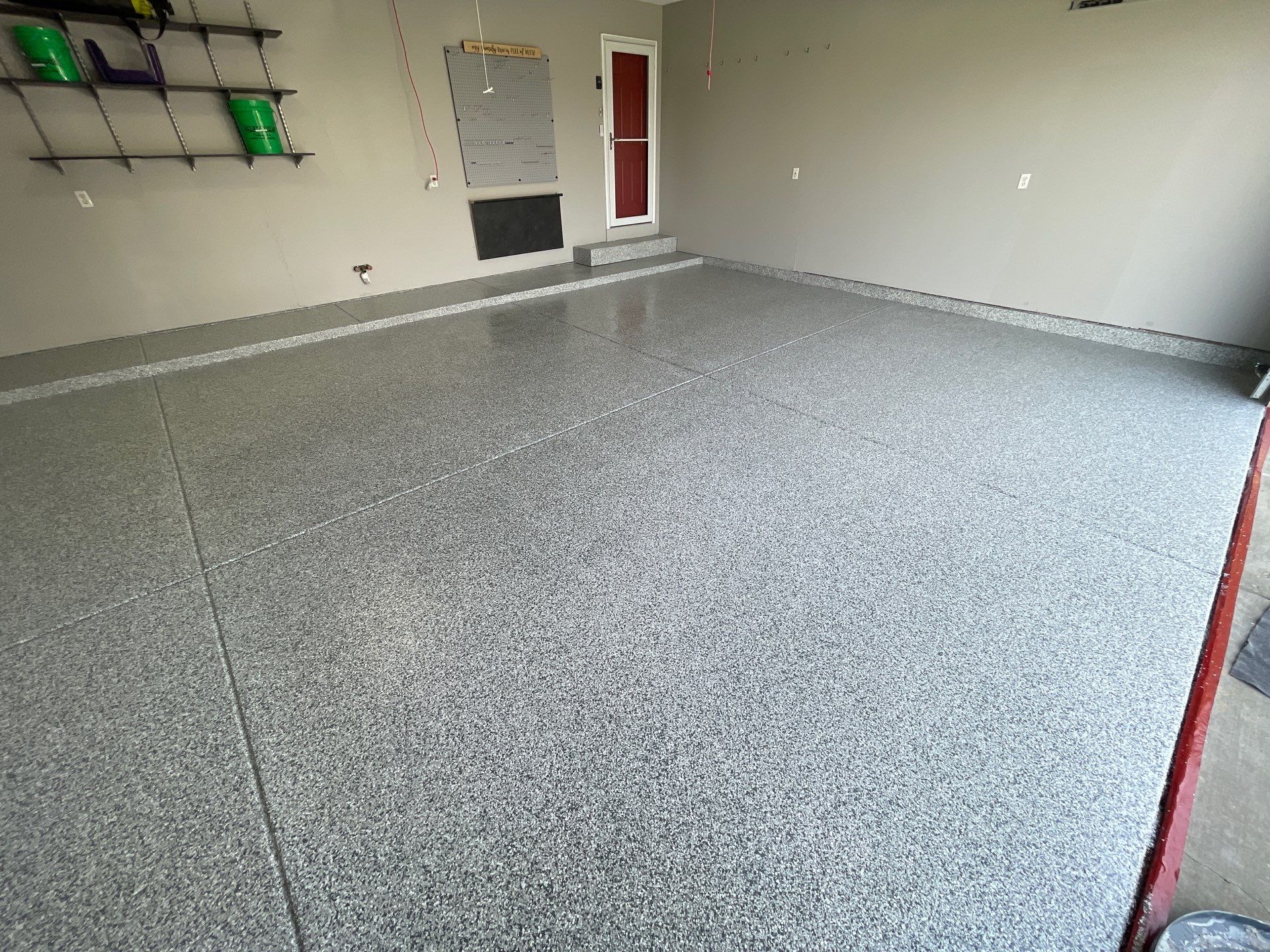
Even with the best materials, several environmental factors can influence how quickly your sealant cures:
1. Temperature
Higher temperatures generally accelerate the curing process, while colder temperatures slow it down. Most sealants have an optimal application temperature range (typically 50°F to 90°F). Applying outside this range can lead to poor adhesion and a compromised cure.
2. Humidity
High humidity can slow the evaporation of water-based sealers. For moisture-cured polyurethanes, humidity is necessary for the cure, but excessive moisture can cause bubbling. Professionals carefully monitor humidity levels to ensure a perfect application.
3. Ventilation
Proper ventilation is crucial, especially for solvent-based sealers applied indoors (like in a basement or garage). Good airflow helps the solvents evaporate, speeding up the drying time and ensuring a safe environment. This is a key consideration for any Basement Epoxy Floor project.
4. Application Thickness
Applying the sealant too thickly is a common mistake. A thick coat will take much longer to cure and is more prone to bubbling and peeling. As we discussed in our article, How to Seal Concrete Floors in 5 Easy Steps, two thin coats are always better than one thick coat.
What Happens If You Walk on It Too Soon?
Ignoring the recommended curing times can lead to several costly problems:
- Footprints and Marks: The most immediate risk is leaving permanent footprints, scuff marks, or tire tracks in the soft sealant.
- Reduced Protection: The sealant may not fully bond to the concrete, leading to premature delamination (peeling) and failing to provide the long-term protection detailed in What Does Sealing Concrete Do: Protection Benefits and Long-Term Value.
- Chemical Weakness: The sealant will not achieve its maximum chemical and abrasion resistance, making it vulnerable to oil spills and road salts.
Final Thoughts
The time you spend waiting for your concrete sealant to cure is a small price to pay for years of superior protection. While the initial walk-on time is relatively short, adhering to the full cure time is key to maximizing your investment. By choosing a professional service like Premier Edge Concrete Solutions, you benefit from expert application, fast-curing, high-performance materials, and clear guidance on when you can safely return your surface to full use. We apply this expertise to every service, from Concrete Sealing to Commercial Resinous Flooring. This includes our Epoxy Floor Coating and ADA Concrete Coating services. We also offer Landscape Curbing & Edging to enhance your property’s exterior.
Ready for Long-Lasting Protection?
Don’t guess on curing times or compromise your concrete’s defense. Trust the experts who use the best materials and follow a meticulous process to ensure your sealed surfaces last.
Contact us today for a free, no-obligation estimate!

I’m Nathan Endres, owner of Premier Edge Concrete Solutions. I ensure every project showcases quality and excellence. Specializing in landscape curbing and floor coatings, my team and I serve Grand Rapids, MI, with a focus on providing reliable and affordable craftsmanship.