
How often you should seal concrete depends on the sealer type and how much weather your surface is exposed to. Acrylic sealers last two to three years in Michigan before needing a fresh coat, while penetrating sealers hold up three to five years under normal traffic and freeze-thaw cycling. Premier Edge Concrete Solutions protects driveways, patios, and garage floors with professional concrete sealing across Grand Rapids and West Michigan.
Late spring through early fall is the only reliable sealing window, since concrete needs to stay above 50°F for 24 hours after application. Push a worn-out sealer into winter, and freeze-thaw cycling punishes every exposed pore. Which sealer type protects longest, and when does Michigan weather force the next coat? Both answers depend on what’s already on your slab.
Sealer Type Determines the Schedule
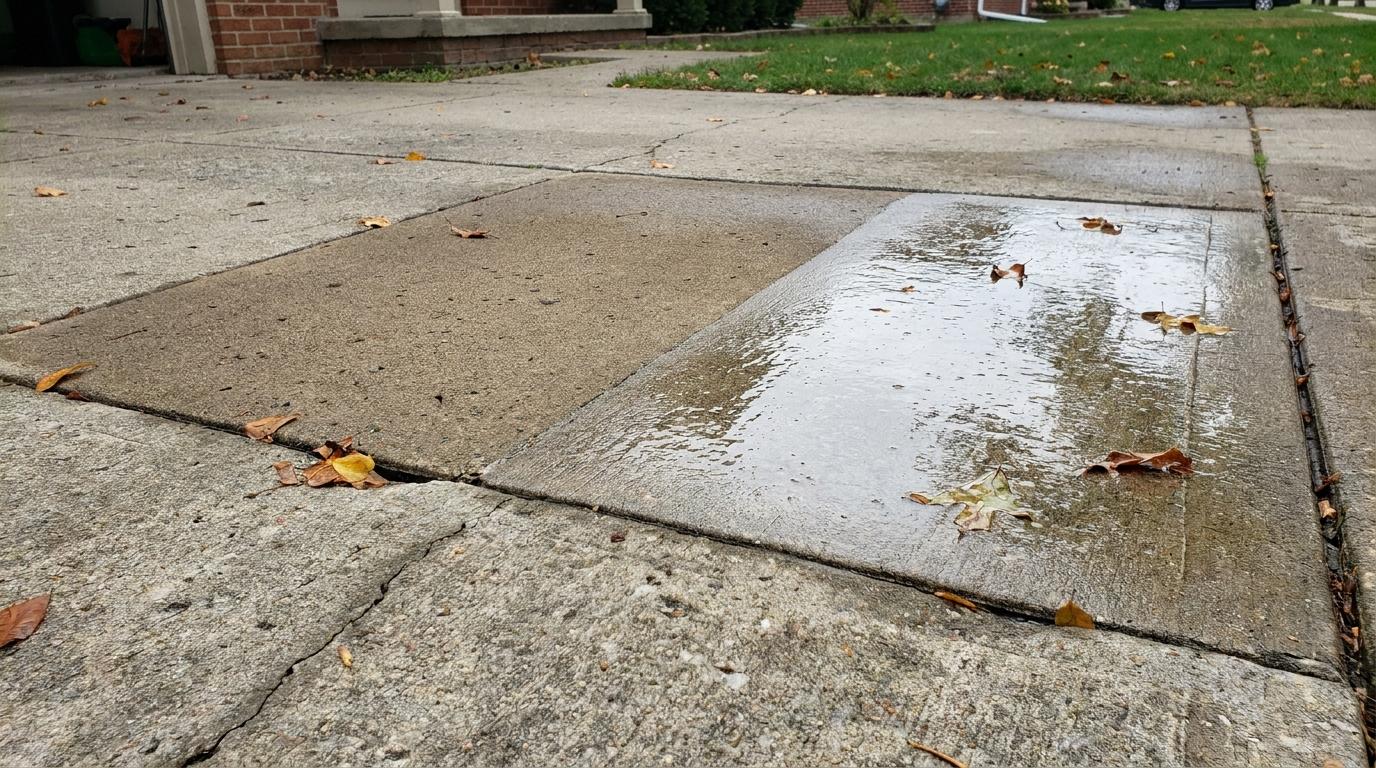
The two main types of concrete sealing products wear off at different rates.
Penetrating Sealers
Silane and siloxane penetrating sealers are absorbed by the concrete and form a chemical barrier below the surface. Because the active ingredient sits inside the pores rather than on top, it degrades more slowly under traffic and UV exposure.
A quality penetrating sealer typically lasts three to five years on a West Michigan driveway that handles daily vehicles and winter salt. Garage floors and covered patios that don’t receive direct sunlight and salt can push closer to five years between applications.
Acrylic and Film-Forming Sealers
Acrylic sealers sit on top of the concrete and form a visible film. That film takes the direct hit from UV, tire traffic, and snowmelt. In Michigan’s freeze-thaw environment, water works under the film edge, freezes, and lifts it, which is why surface sealers need to be reapplied every two to three years.
The glossy finish they leave behind fades noticeably by the second or third winter, giving you a visible signal that reapplication is due.
Signs Your Concrete Needs Resealing
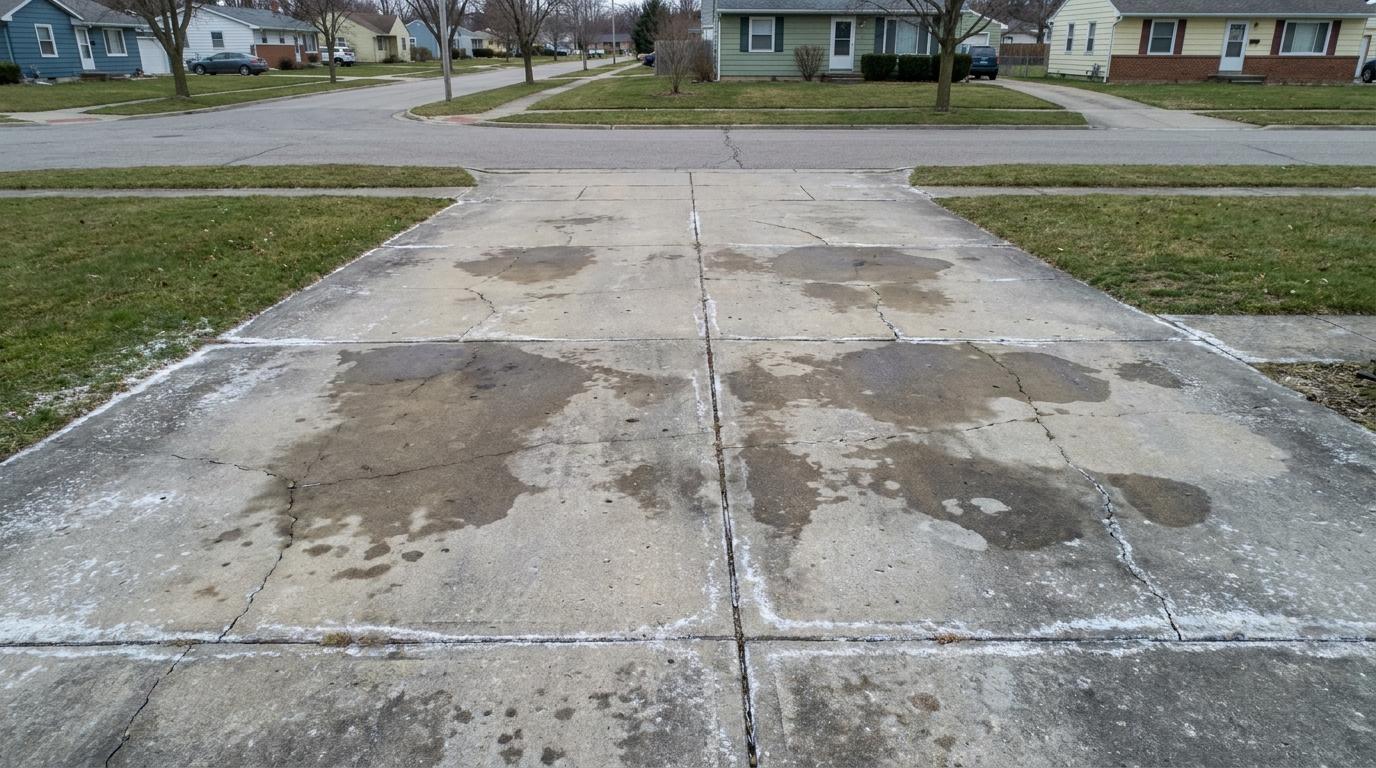
Concrete gives clear warnings when sealer protection fades. Catching them early prevents damage from accumulating throughout an entire winter.
- Water no longer beads on the surface and instead soaks in, leaving dark wet spots
- Surface color looks faded, chalky, or uneven compared to protected areas
- Fine cracks or pitting appear along edges and joints exposed to road salt
- White salt stains return faster after cleaning than they did the previous season
Any two of these signs together usually mean the sealer has worn through. A simple water-drop test confirms it: sprinkle a few drops over the area and watch whether they bead or absorb into the surface. If the water soaks in within 30 seconds, the sealer is no longer protecting that section.
Best Sealing Windows for Michigan
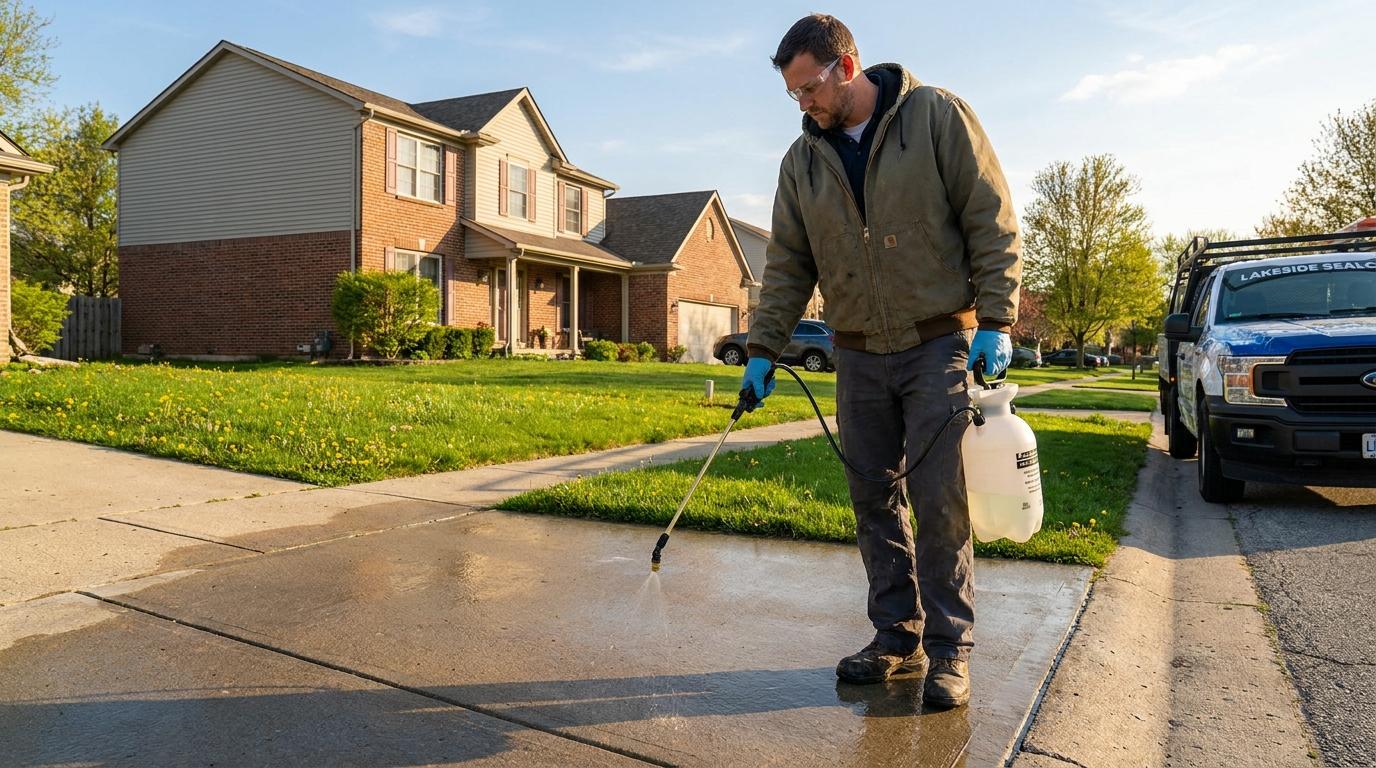
Michigan’s sealing calendar revolves around temperature and moisture. The concrete surface needs to be dry, with daytime temperatures above 50°F and no rain forecast for at least 24 hours.
Spring (Late April Through May)
Late April through May is the best window for new sealer applications, since the last freeze has passed and the spring rains have dried up. Booking early helps you lock in your preferred schedule when concrete sealing costs in Michigan are more competitive.
Fall (September Through Mid-October)
Reapplying in fall delivers renewed protection before winter’s salt and freeze-thaw cycles arrive. September offers the most reliable temperatures. Past mid-October, overnight lows in the Grand Rapids area often drop below the 50°F cure threshold, which is why most concrete coating projects in Grand Rapids wrap up by early fall. Homeowners who seal in spring and reseal on schedule rarely face the cracking and spalling that damage unprotected concrete over winter.
Frequently Asked Questions
Can You Seal Concrete in Cold Weather?
Sealing concrete in cold weather isn’t recommended because most sealers require surface temperatures above 50°F during application and for at least 24 hours afterward. Below that threshold, the film stays soft and wears through within weeks instead of lasting years. In West Michigan, that effectively closes the outdoor sealing window from late October through early April.
Does Sealed Concrete Still Need Regular Cleaning?
Yes, sealed concrete still benefits from regular cleaning, even though the sealed surface makes the job much easier. A mild detergent and garden hose remove most dirt, salt, and stains before they break down the sealer film. Skipping seasonal cleaning forces the sealer to absorb contaminants that shorten its lifespan by a year or more.
How Much Does It Cost to Reseal a Concrete Driveway?
Resealing a concrete driveway generally costs less than the original application because the surface is already profiled and clean. The biggest variable is sealer type: penetrating sealers cost less per coat because they’re absorbed directly and don’t require the old layer to be removed. Premier Edge Concrete Solutions provides free estimates that account for your specific surface type, driveway condition, and total square footage.
Keep Your Concrete Protected Year-Round
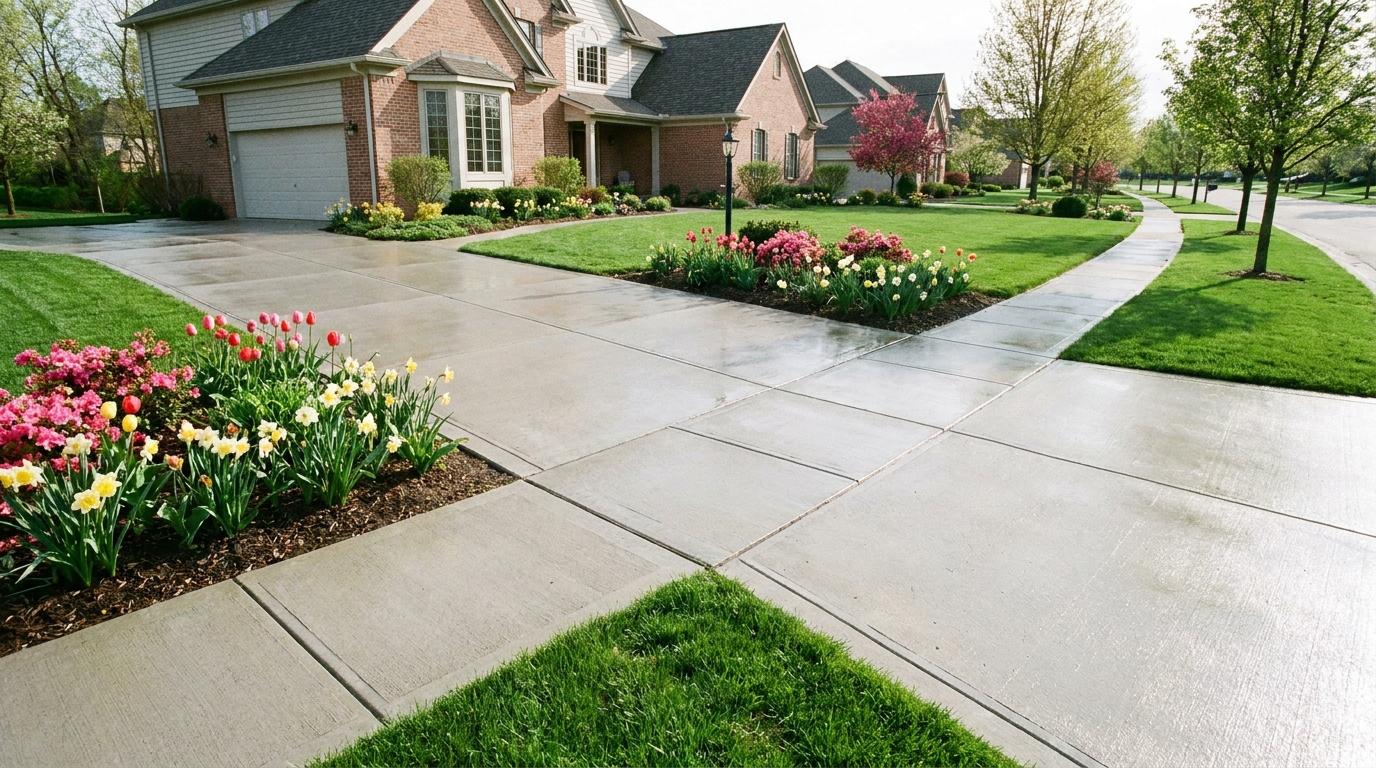
The right sealer and the right schedule keep Michigan concrete protected. Penetrating sealers stretch your resealing interval to three to five years, while acrylics need a fresh coat every two to three. In either case, a visual inspection each spring identifies wear before the next freeze-thaw cycle turns thin spots into real damage.
Request a free concrete sealing estimate from Premier Edge Concrete Solutions. Call (616) 816-2300 to discuss your project.

I’m Nathan Endres, owner of Premier Edge Concrete Solutions. I ensure every project showcases quality and excellence. Specializing in landscape curbing and floor coatings, my team and I serve Grand Rapids, MI, with a focus on providing reliable and affordable craftsmanship.