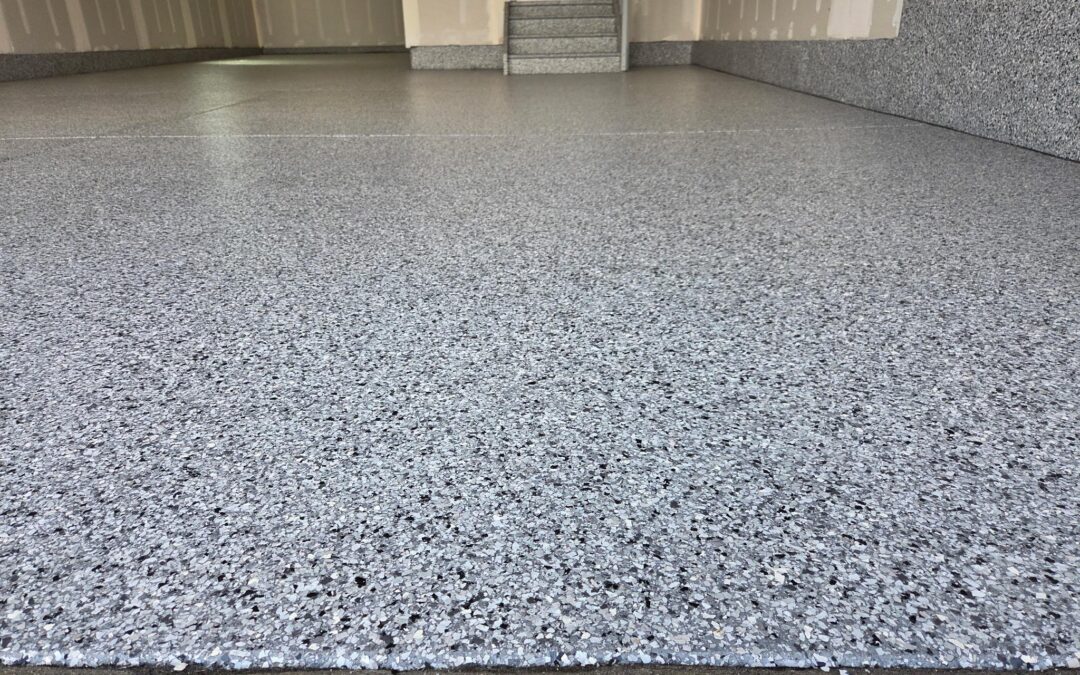

Polyaspartic floor coating is a fast-curing, UV-stable finish from the polyurea family, used as the protective top coat over an epoxy base. It cures in hours instead of days, doesn’t yellow in sunlight the way epoxy does, and resists the chemicals and hot tires that break down standard coatings. Professional installation in Grand Rapids runs $6 to $12 per square foot, about $2,500 to $6,000 for a two-car garage. A professionally installed system lasts 10 to 20 years under daily use and up to 30 with routine care.
So why pay more for polyaspartic than epoxy? The difference comes down to cure speed, UV stability, and how much better it holds up after a few Michigan winters. Premier Edge Concrete Solutions uses polyaspartic as the top coat in its residential and commercial floor coating projects across West Michigan. Below, we explain how it differs from epoxy, where it performs best, and what it costs.
What Makes Polyaspartic Different From Epoxy?
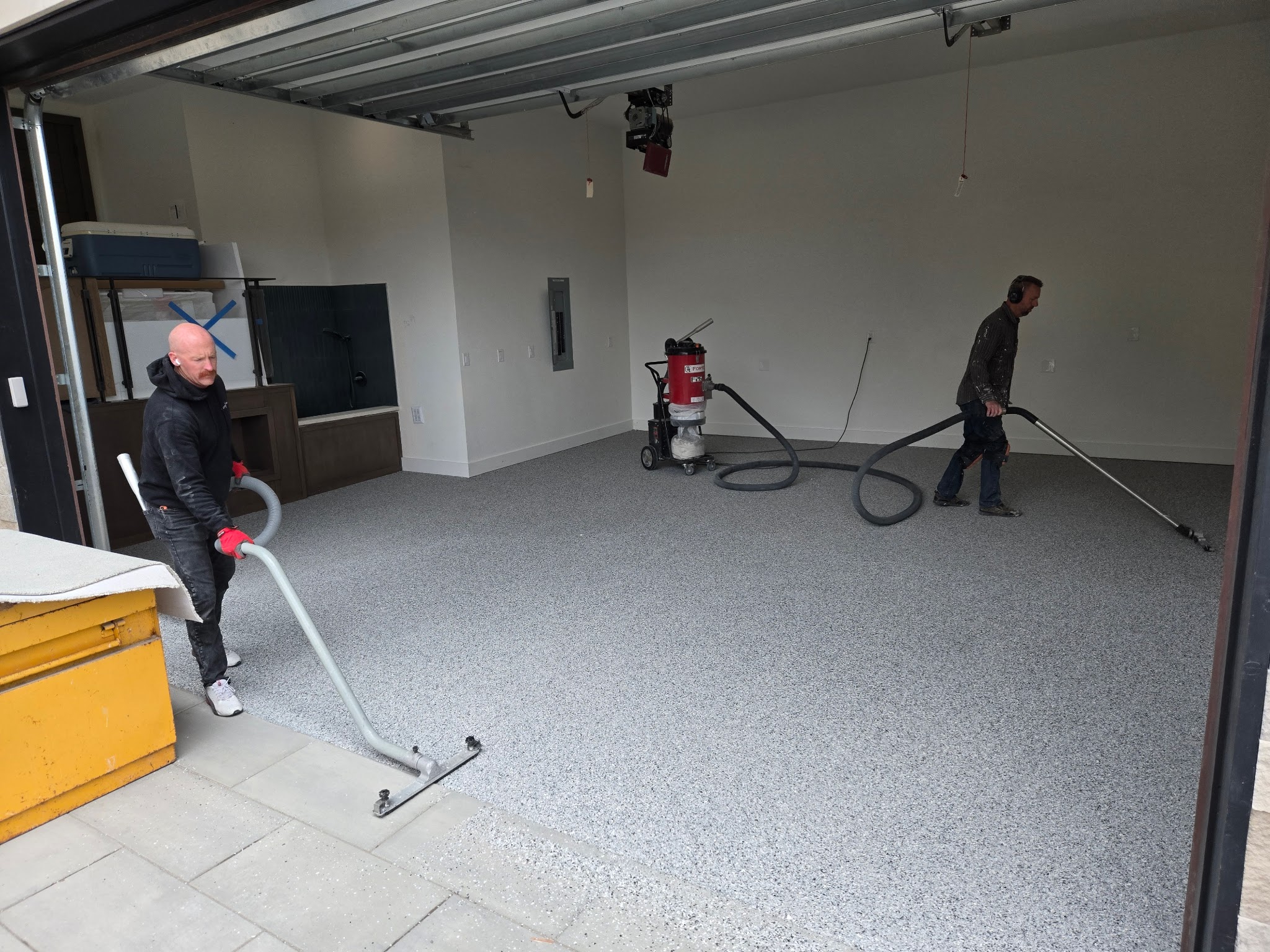
Standard epoxy coatings bond well to prepared concrete and build a thick, durable base. The trade-off is a slow cure: 24 to 72 hours before foot traffic and up to seven days before vehicles can return. Epoxy also breaks down under UV light, which yellows garage floors near windows and rules it out as a standalone outdoor finish.
Polyaspartic belongs to the polyurea family and uses an aliphatic isocyanate chemistry that cures in two to four hours. The resin is UV-stable at the molecular level, so the finish stays clear for the life of the coating. It also resists hot tire pickup, the peeling that happens when warm tires soften and lift thin or UV-weakened surfaces.
How the Two Systems Work Together
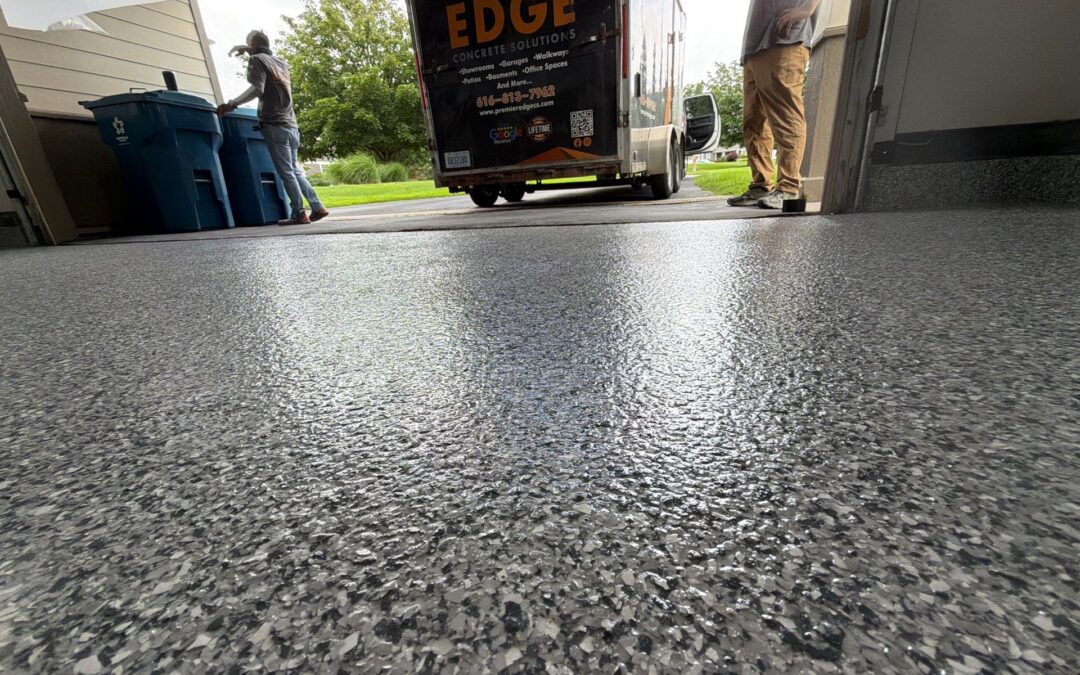
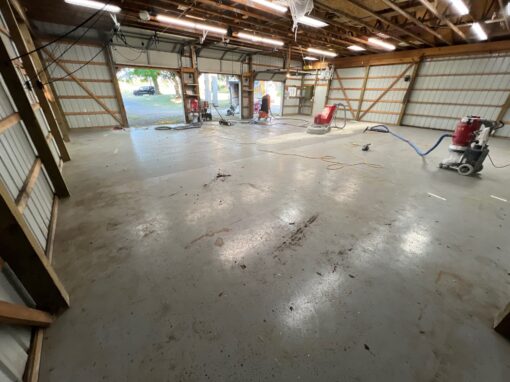
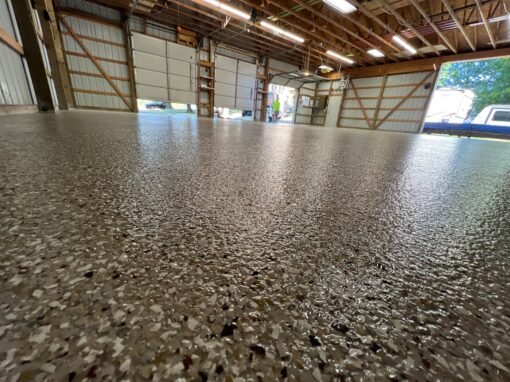
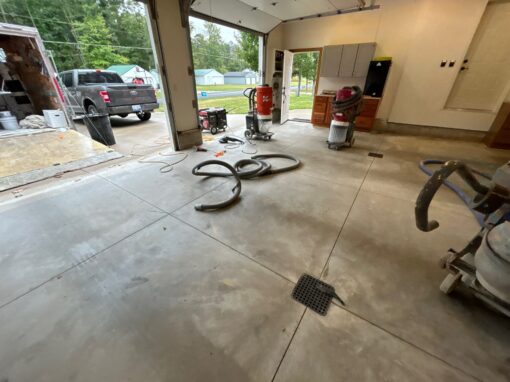
Premier Edge Concrete Solutions uses both materials in a single five-step concrete coating process. Diamond grinding creates the surface profile for permanent adhesion. A high-solids epoxy base coat anchors decorative vinyl flake chips to the concrete. The polyaspartic top coat seals the system with a chemical-resistant, UV-stable finish. Epoxy builds the foundation; polyaspartic protects it.
Where Polyaspartic Coatings Perform Best
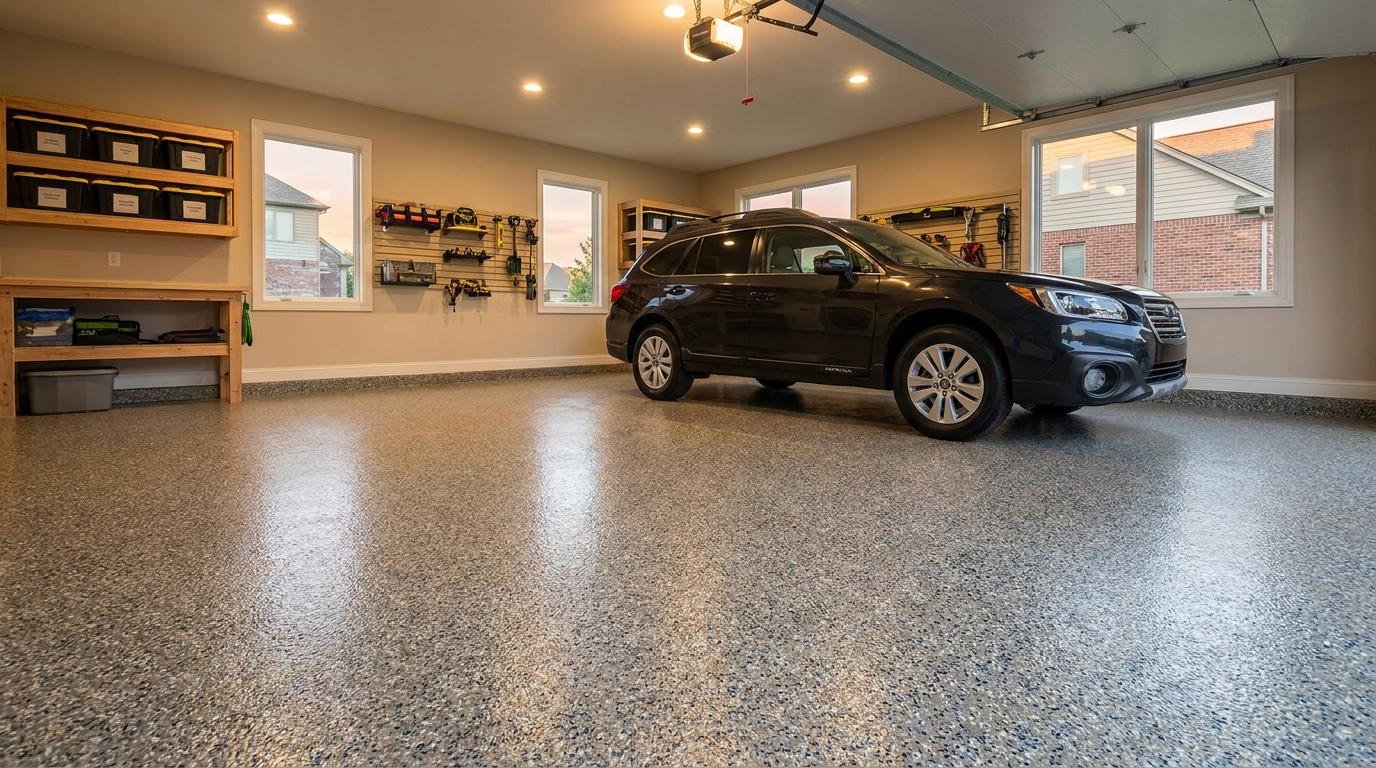
Polyaspartic top coats protect any properly prepared concrete surface, but certain applications draw the most benefit from the chemistry.
Garages and Basements
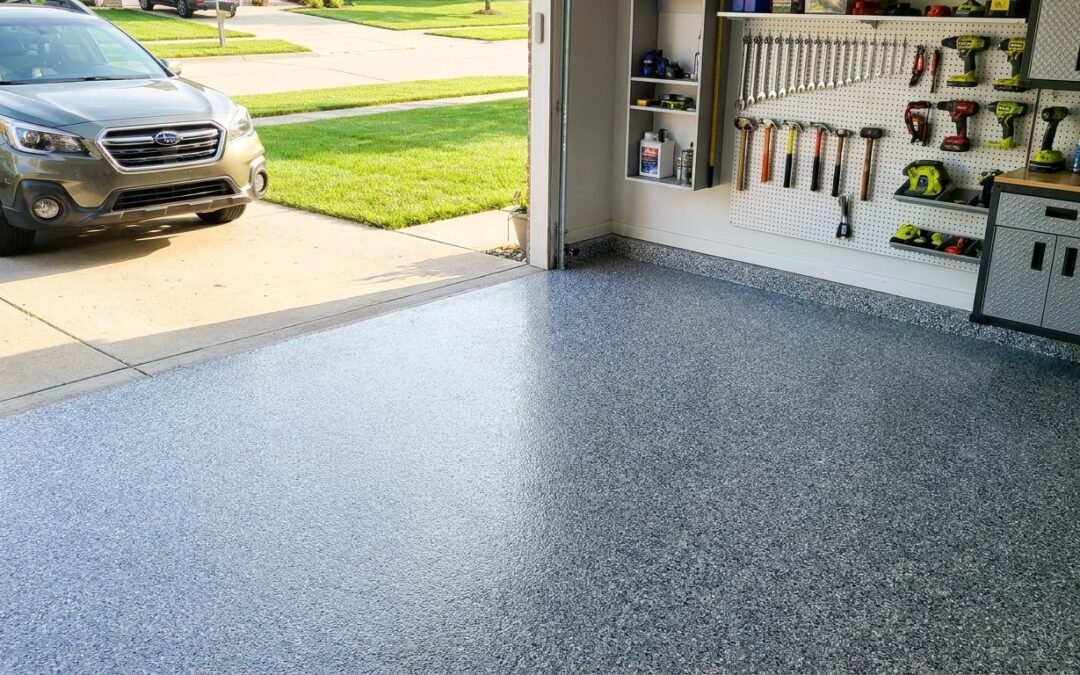
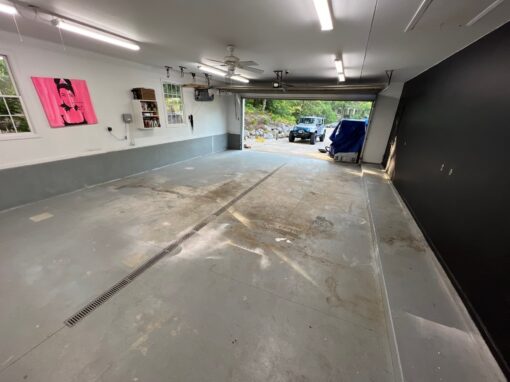
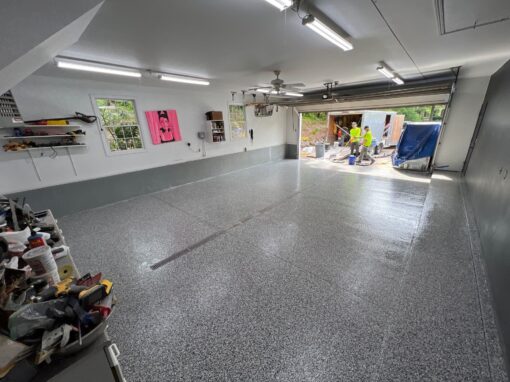
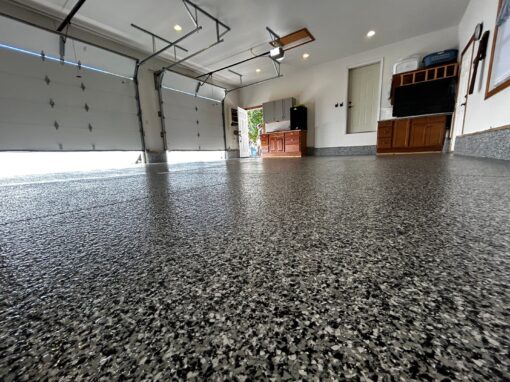
Garage floors absorb the worst of daily life: hot tires, road salt tracked in from November through April, oil drips, and constant foot traffic. A polyaspartic top coat resists hot tire pickup and the chemical staining that causes standard epoxy to yellow or lift within a few years. The coating also protects concrete floors in the Grand Rapids area, including basements where West Michigan’s seasonal moisture and humidity test adhesion year-round. Homeowners converting a basement into a gym, workshop, or rec room benefit from the cleanable, moisture-resistant surface of a basement floor coating.
Commercial and High-Traffic Spaces
Restaurants, warehouses, and manufacturing facilities need floors that survive forklift traffic, chemical spills, and daily cleaning. Polyaspartic coatings handle each demand and cure fast enough to return a commercial floor to foot traffic within hours. The fast cure also means shorter downtime during recoating, which matters for businesses that cannot shut down for multiple days. Premier Edge installs commercial polyaspartic systems across West Michigan for kitchens, auto dealerships, breweries, and high-traffic retail spaces.
Cost, Lifespan, and Maintenance
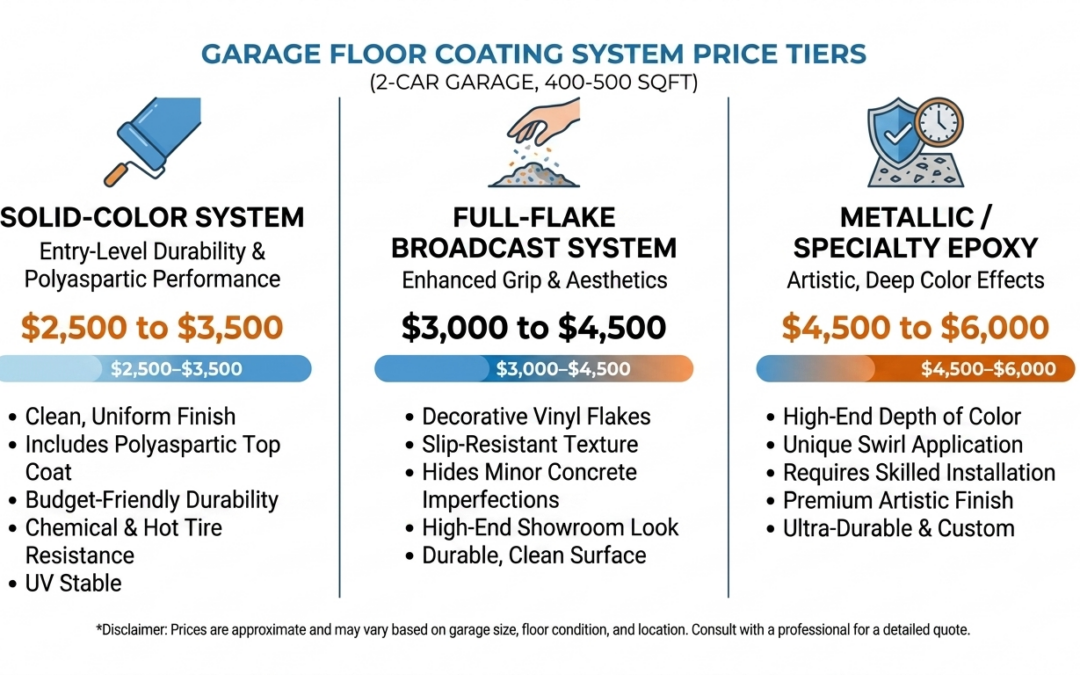
Professional polyaspartic coating in Grand Rapids costs $6 to $12 per square foot installed. A standard two-car garage of 400 to 500 square feet typically runs $2,500 to $6,000, with larger garages and premium finishes pushing toward $8,000+. The final price depends on concrete condition, square footage, and the coating system selected. Polyaspartic sits at the upper end of Premier Edge’s $6 to $12 per square foot range, while epoxy sits at the lower end. The performance gap between the two systems shows up in UV resistance, cure speed, and long-term maintenance costs that close the price difference within a few years.
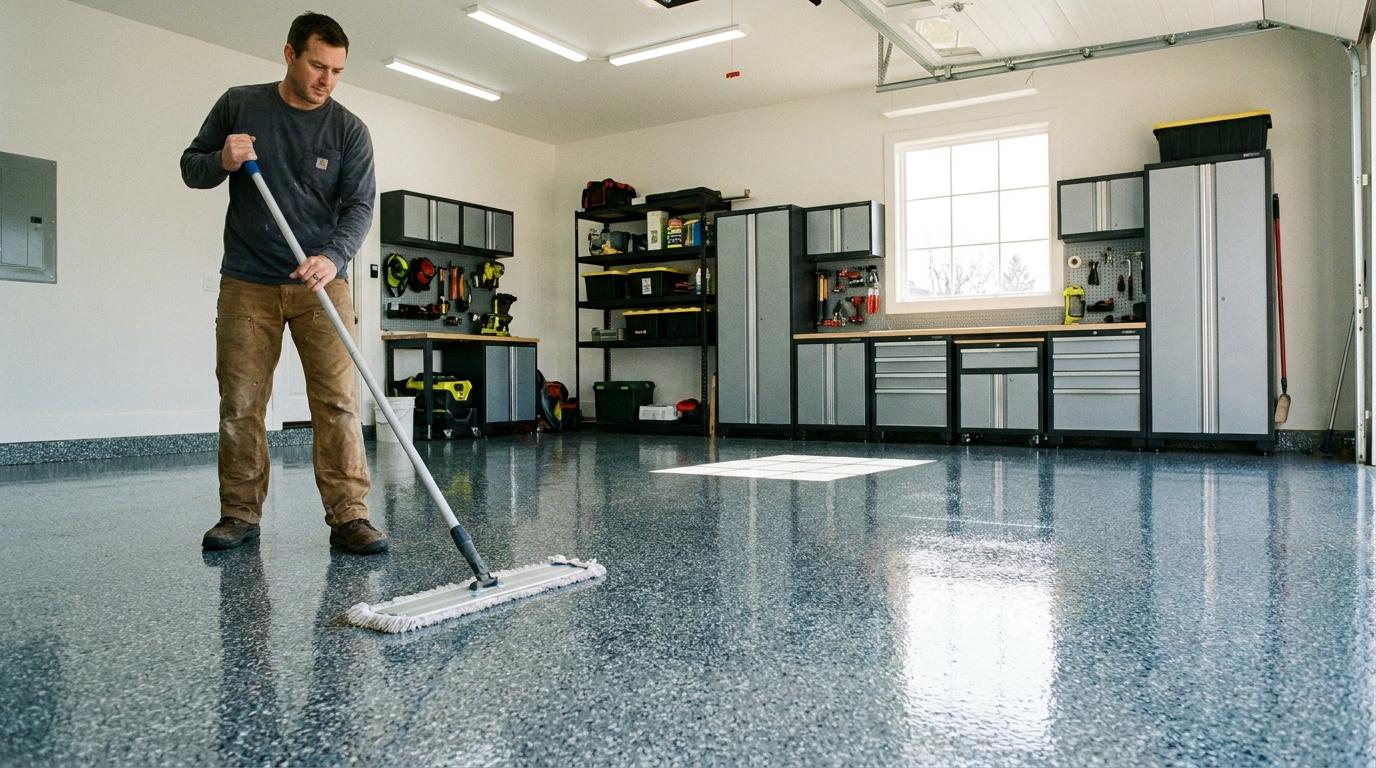
A professionally installed system backed by Premier Edge’s lifetime warranty lasts 20 to 30 years in residential settings with basic care. Maintenance means sweeping debris and occasional damp mopping with a neutral-pH cleaner. No specialty products, waxing, or resealing is required. Road salt and tire marks rinse off with a garden hose, which makes spring cleanup straightforward for West Michigan homeowners.
Frequently Asked Questions
Is polyaspartic the same as polyurethane?
Polyaspartic is not the same as polyurethane. Polyaspartic belongs to the polyurea family and cures through a different chemical reaction that completes in hours rather than days. The faster cure and UV stability make polyaspartic the better fit for garage floors and outdoor surfaces.
How long does a polyaspartic floor coating last?
A professionally installed polyaspartic floor coating lasts 10 to 20 years under daily residential use, and up to 30 years with routine care. Lifespan depends on traffic volume and whether the concrete was properly prepared before coating.
Can you apply polyaspartic coating in cold weather?
Polyaspartic coatings can be applied in temperatures as low as 30°F, which gives them a wider installation window than standard epoxy. This cold-weather tolerance is a real advantage in places like Hudsonville and across West Michigan, where Premier Edge installs coatings year-round instead of pausing through the cold months.
Choose the Chemistry That Fits Your Floor
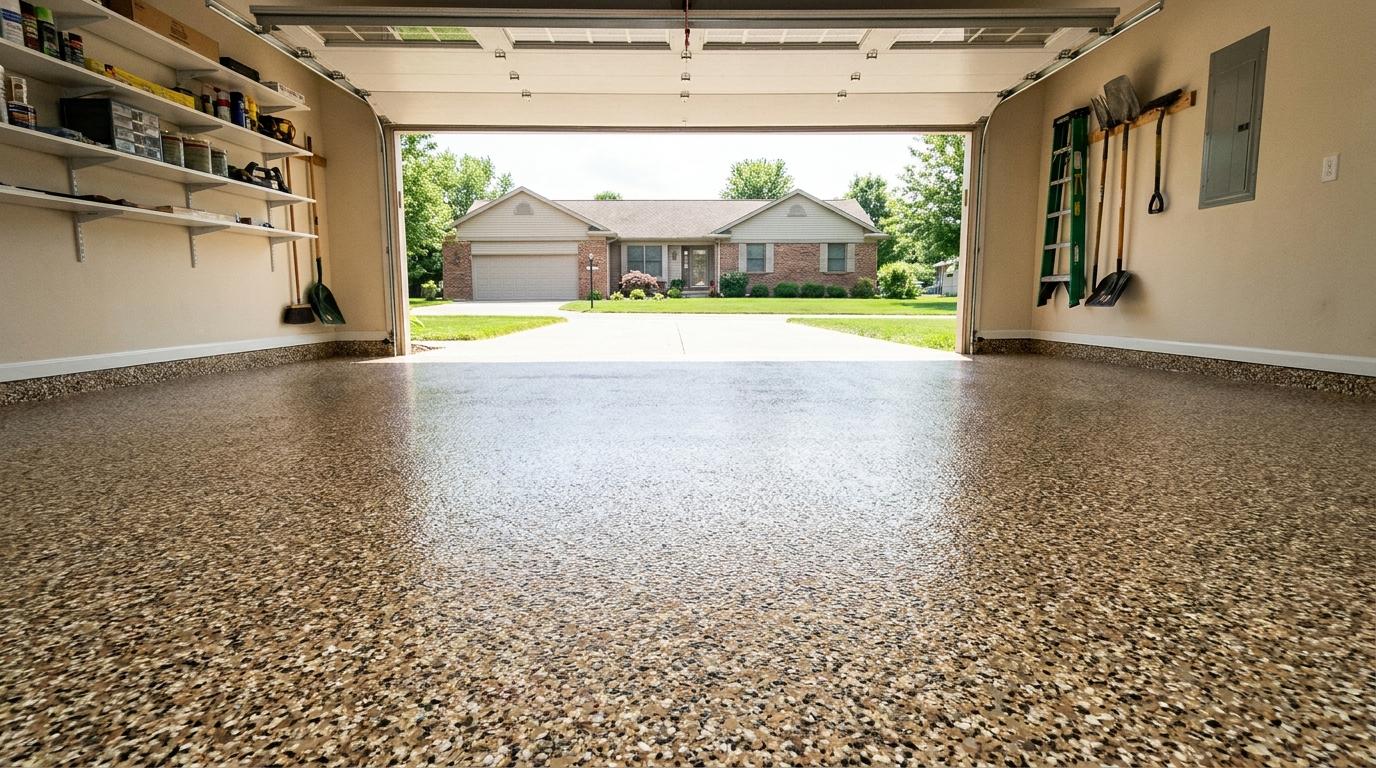
Polyaspartic gives a floor a fast cure, permanent UV protection, and a surface that holds up for decades with little more than sweeping and the occasional mop. It works best exactly where Premier Edge puts it: as the final, protective layer over a properly prepared epoxy base. Epoxy builds the foundation; polyaspartic is what keeps it clear, tough, and looking new through years of hot tires, road salt, and daily traffic.
When you’re ready to see what it would cost for your garage, basement, or commercial floor, contact Premier Edge at (616) 816-2300 or request a free estimate.

I’m Nathan Endres, owner of Premier Edge Concrete Solutions. I ensure every project showcases quality and excellence. Specializing in landscape curbing and floor coatings, my team and I serve Grand Rapids, MI, with a focus on providing reliable and affordable craftsmanship.