Choosing a floor coating for a commercial kitchen comes down to matching the full system, not just the topcoat, to how the space actually gets used every day. Cleaning method, grease and food-acid exposure, temperature swings from hot washdowns and equipment, and daily foot and cart traffic all affect which system holds up over time. Premier Edge Concrete Solutions installs floor coating systems for commercial kitchens and food prep areas throughout West Michigan, working with kitchens based in the Grand Rapids area as well as operators in Holland, Muskegon, Grand Haven, Kentwood, and surrounding communities.
Start With Your Kitchen's Exposure Profile
Before comparing specific products, it helps to describe the kitchen accurately. A system that performs well in a light-prep area can fail quickly under a fryer line or a hot-water washdown station. Consider:
- How the floor is cleaned, and how often (mop and bucket, pressure washing, or full water-flush cleaning)
- Grease, oil, and food-acid exposure from cooking and food prep
- Temperature swings, including hot washdowns and fryer heat, rather than just general warmth
- Foot traffic, rolling carts, and equipment movement throughout the day
Temperature swings matter more than steady heat. Rapid temperature change, known as thermal shock, is a different stress than simple warmth, and manufacturer guidance distinguishes conventional epoxy systems from products engineered for more severe thermal cycling (Sherwin-Williams, Understanding Thermal Shock Resistance). Documenting hot washdowns and fryer exposure up front helps determine which chemistry fits the space, rather than choosing a finish based on appearance alone.
Balancing Traction and Sanitation
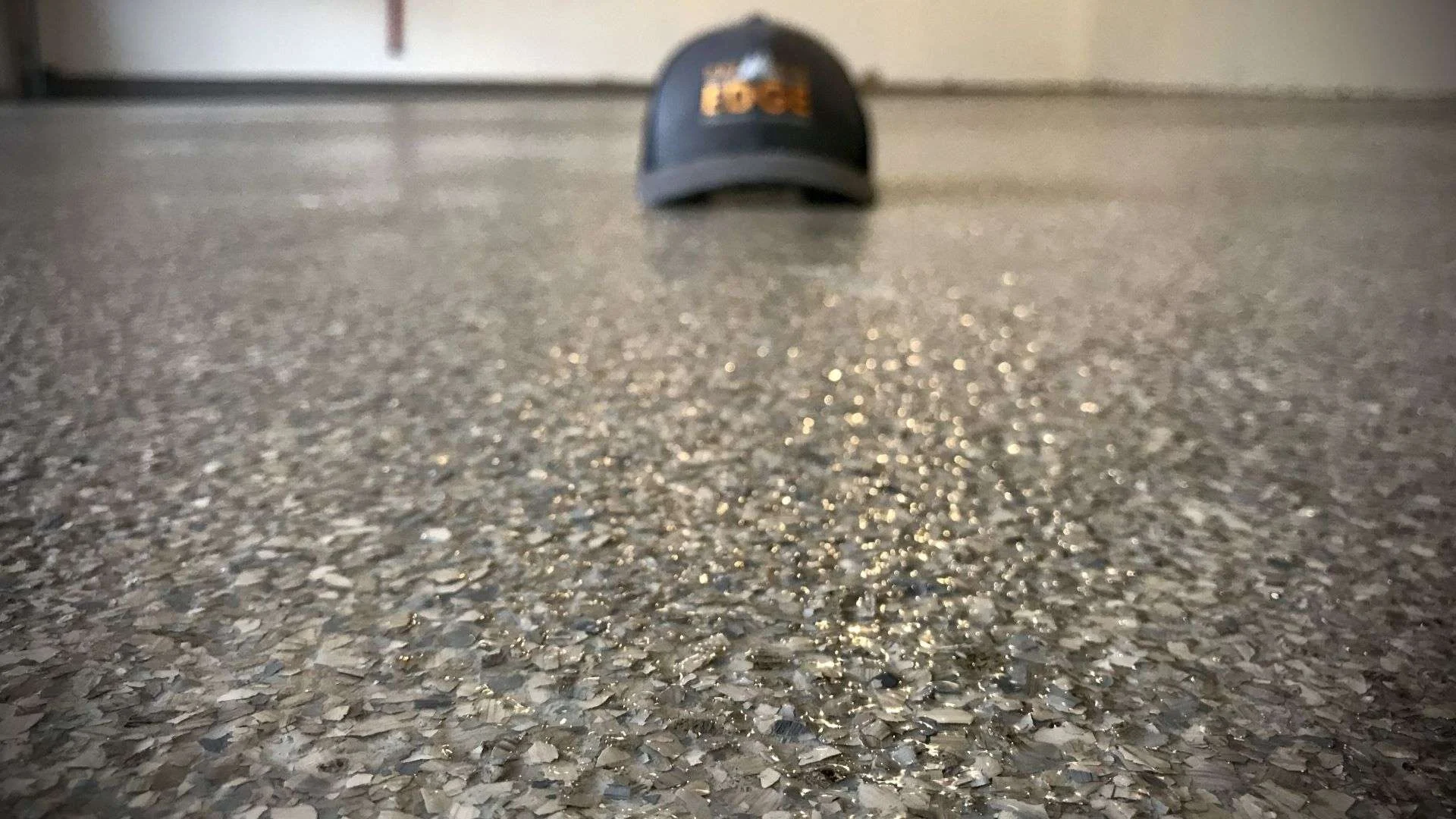
A commercial kitchen floor has to be easy to clean and safe to walk on at the same time, and those two goals pull in different directions. Michigan's food code requires operational surfaces to be durable, nonabsorbent, and easily cleanable in moisture-prone areas, while also allowing antislip applications where surfaces would otherwise be too smooth for safe footing (Michigan Modified 2009 Food Code). More texture generally improves traction, but it can also make residue harder to remove, so the right aggregate and finish should reflect the kitchen's actual contaminants and cleaning equipment rather than a generic slip-resistance claim.
Cleaning method also affects the project scope beyond the coating itself. Kitchens that use full water-flush cleaning typically need drains, floors graded to drain, and coved, sealed floor-to-wall junctions, while other cleaning methods carry their own requirements for sealing those junctions. These details are worth confirming with your local reviewing authority as part of planning the project.
Don't Overlook the Concrete Substrate
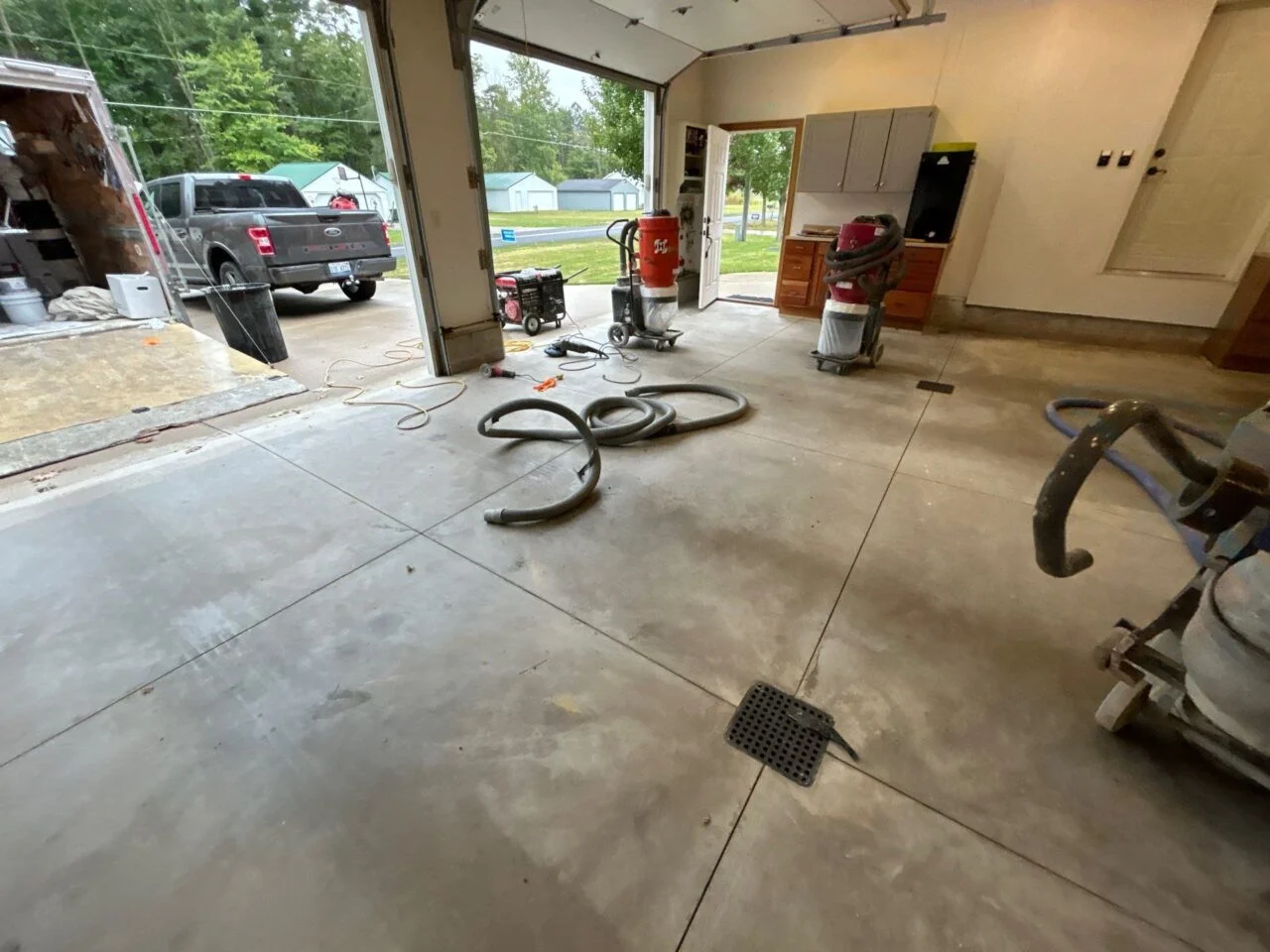
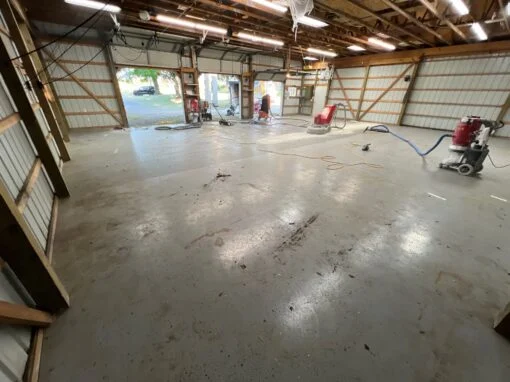
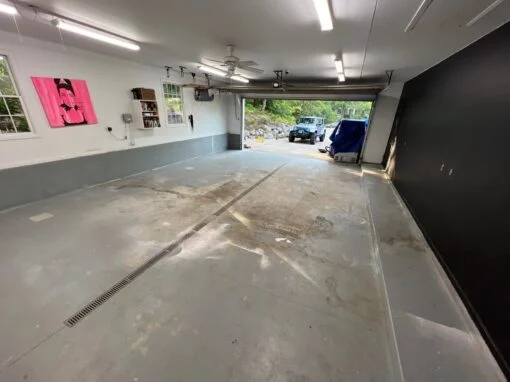
A coating is only as good as the surface it's bonded to. Surface contamination and inadequate concrete profiling can undermine adhesion, which is why decontamination and mechanical preparation, such as grinding or shotblasting, are standard considerations before any system goes down. It's also worth noting that resistance to surface spills doesn't resolve moisture coming up through the slab. Moisture vapor emission can be an issue for many resinous floors, so a site-specific assessment is the right way to confirm the slab is a good candidate before committing to a system.
Know What "Ready to Reopen" Actually Means
Installation finishing, safe foot traffic, general service, and full chemical resistance are not the same milestone. Curing schedules depend on the specific product and on temperature and humidity at the time of installation. When planning a kitchen closure, ask for the selected system's actual timeline for each of these stages rather than assuming the floor is fully ready as soon as it looks finished.
Floor Coating Systems for Commercial Kitchens

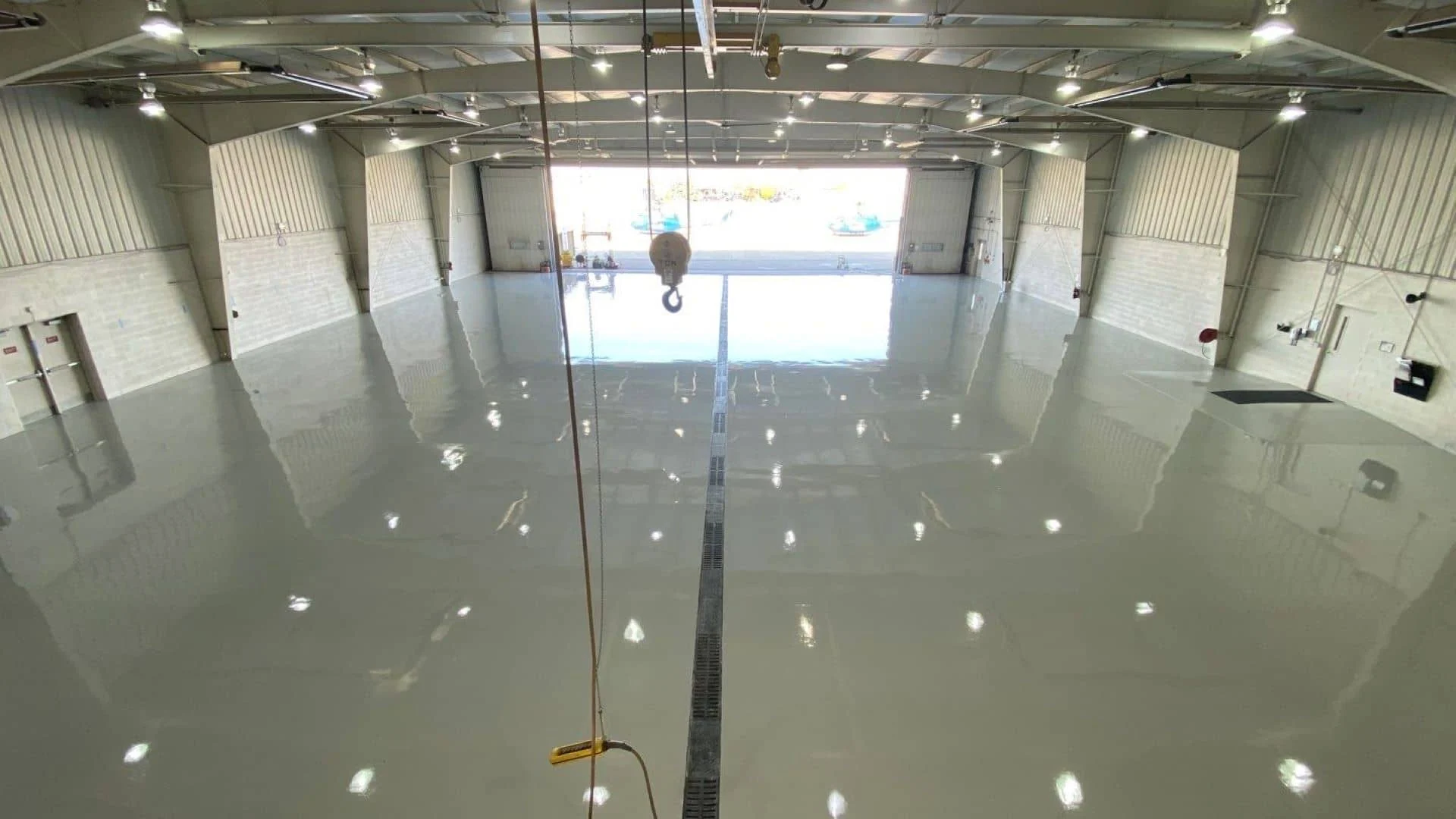
Premier Edge Concrete Solutions offers commercial coatings for commercial kitchens and food prep areas across West Michigan, drawing from several commercial resinous flooring systems, including:
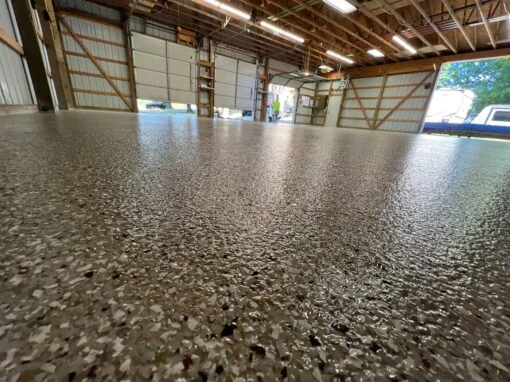
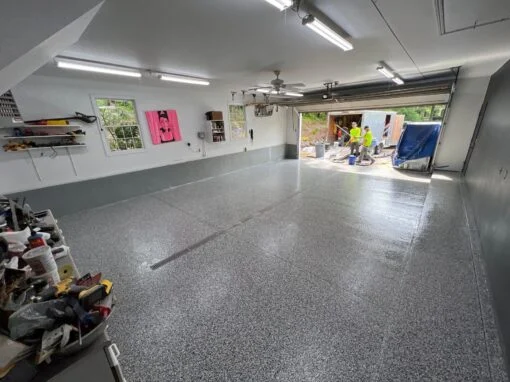
- Broadcast flake and quartz systems
- Moisture vapor barrier systems
- Polyaspartic coatings
The right system for your kitchen depends on the exposure profile covered above. For more background on coating a kitchen floor specifically, see our epoxy kitchen floor guide. Premier Edge backs its indoor coatings with a lifetime warranty, with the specific terms for a commercial kitchen application confirmed as part of your project assessment.
Get a Floor Coating Assessment for Your Kitchen
If you're planning a floor coating project for a commercial kitchen in Grand Rapids, Holland, Muskegon, Grand Haven, Kentwood, or elsewhere in West Michigan, Premier Edge Concrete Solutions can walk through your kitchen's cleaning methods, exposure, and traffic to recommend the right system. Call (616) 816-2300 to schedule your assessment.