Why Fall Is a Smart Time for Garage Floor Coatings in Grand Rapids
Fall can be a strong window for coating a garage floor in Grand Rapids. It gives concrete a chance to be properly prepared and finished before road salt, snowmelt, and repeated freeze-thaw cycles start working against an unprotected floor. But the right time to install isn't just a date on the calendar. It depends on the slab's actual temperature, moisture conditions, and the coating system being used. Premier Edge Concrete Solutions installs garage floor coatings in Grand Rapids and across a roughly 70-mile West Michigan service area, and understanding these factors helps homeowners plan a project that holds up.
Why Timing Matters Before Winter Sets In
Once winter arrives, garage floors take on a different kind of abuse. Vehicles track in road salt and melting snow, and bare, porous concrete absorbs that moisture and the contaminants that come with it. Completing a coating and its full cure period before heavy winter use begins gives the floor a better chance to perform through the season. In West Michigan garages specifically, moisture vapor transmission and freeze-thaw cycling can contribute to coating bond failure when the surface wasn't properly prepared or moisture wasn't managed ahead of installation, which is exactly why the prep stage of a fall project matters as much as the weather outside.
What Actually Determines a Good Fall Installation Window
Grand Rapids weather does make early and mid-fall more workable than late fall. Grand Rapids climate normals show October average highs around 60 to 61°F and lows around 42 to 43°F, while November averages drop to roughly 47°F for highs and 32 to 33°F for lows. That seasonal drop matters because a coating project should be scheduled around measured concrete surface temperature and the specific product's technical requirements, not just the forecast. Concrete holds and releases heat more slowly than the surrounding air, so a mild fall afternoon doesn't guarantee the slab itself is warm enough to coat.
Moisture adds another layer to the decision. Applying a coating when the slab is too cold or condensation is present can slow curing and weaken adhesion. According to manufacturer technical guidance for resinous coating systems, the substrate commonly needs to stay at least 5°F above the dew point during application and early cure. This is why a qualified installer checks slab conditions directly rather than simply going by the day on the calendar.
What a Quality Garage Floor Coating Installation Involves
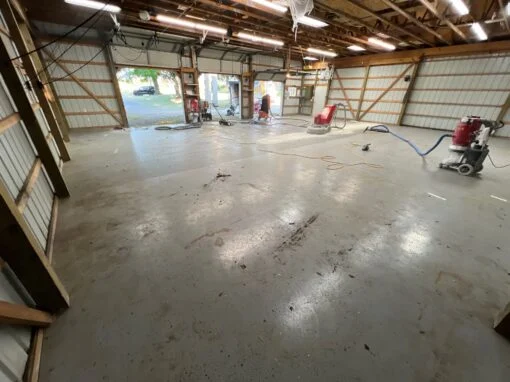
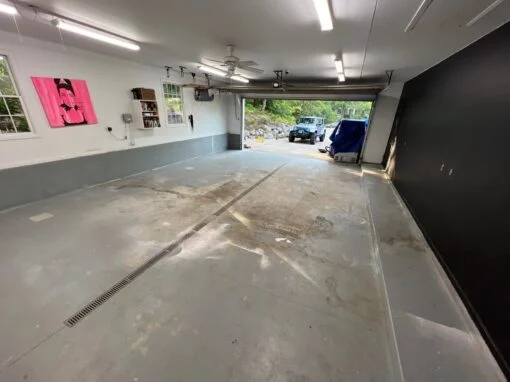
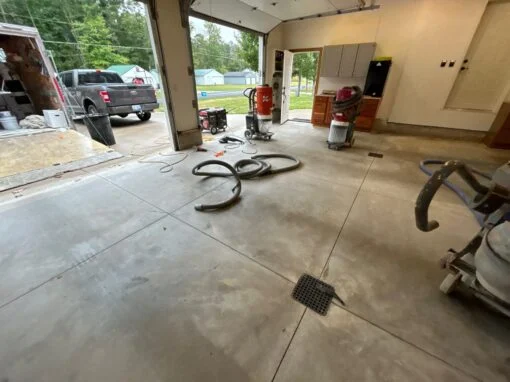
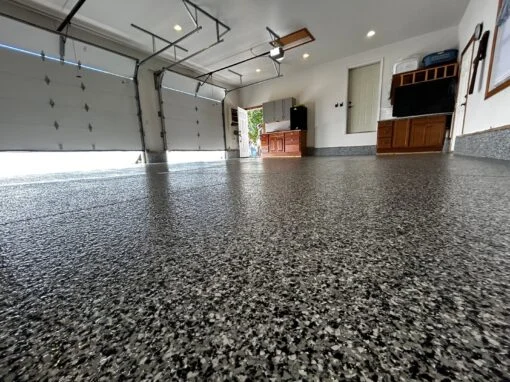
A fall coating project is more than applying material over existing concrete. Premier Edge's documented process for garage floor coatings in Grand Rapids follows a defined sequence designed to give the coating a sound surface to bond to:
- Diamond grinding the existing concrete
- Applying the base coat
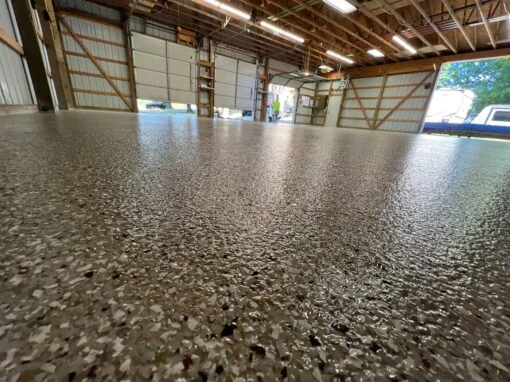
- Broadcasting flakes
- Scraping and vacuuming the surface
- Applying the final top coat
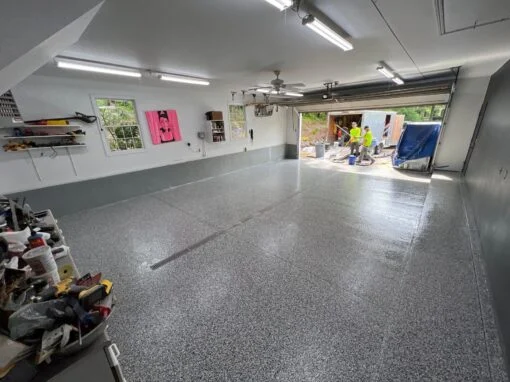
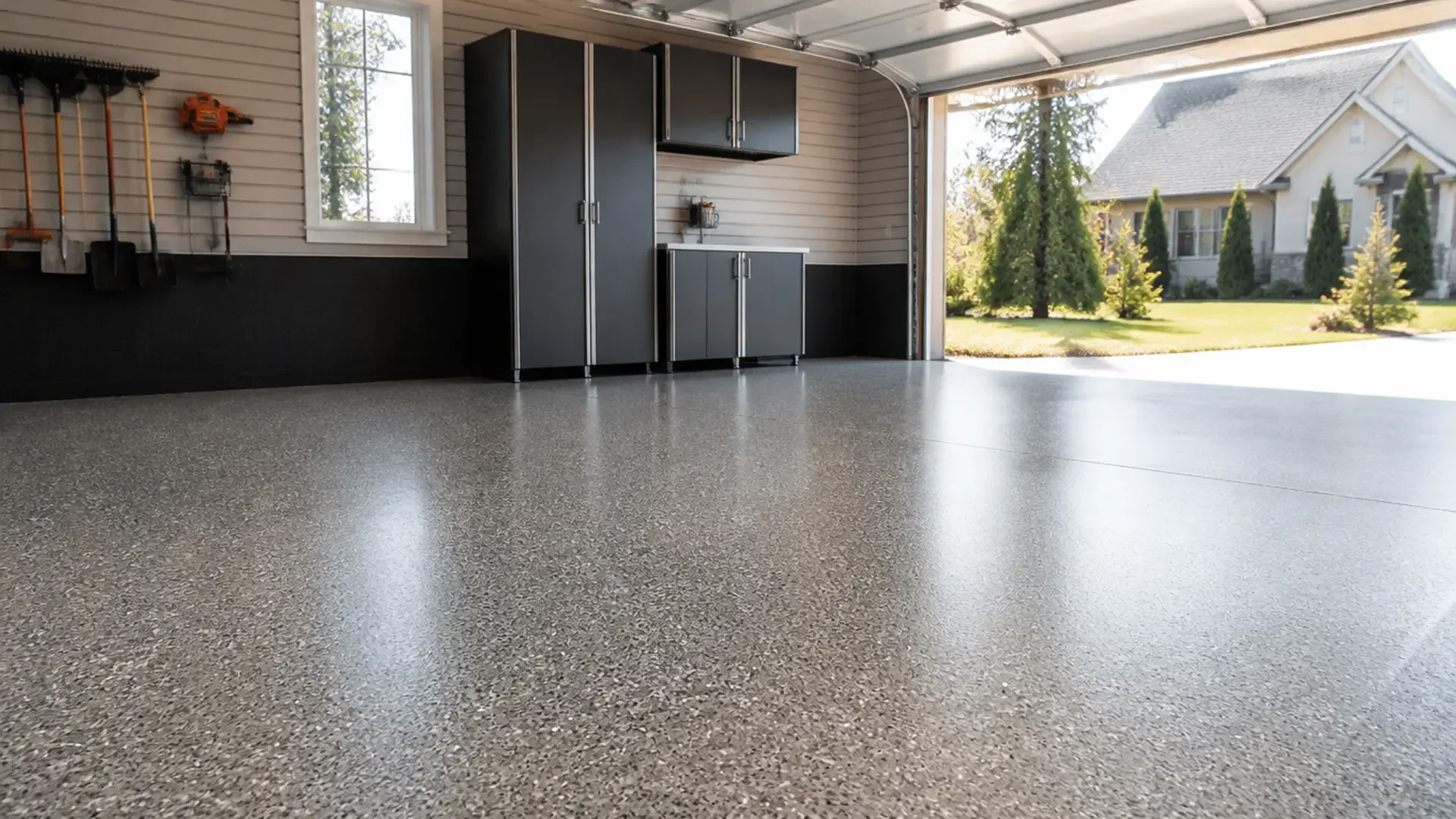
You can see more detail on how a professional concrete coating is installed. The finished result is a garage floor coating that is durable, chemical-resistant, easy to clean, and slip-resistant, qualities that matter most once winter brings in salt, moisture, and extra wear.
What Causes Coatings to Fail (And Why Fall Prep Should Catch It)
Not every bond issue comes down to weather. Based on documented causes of garage floor coating failure, the most common culprits are preparation and surface condition issues that an installer should be checking for before a fall project begins:
- Inadequate mechanical surface preparation
- Moisture vapor transmission coming up through the slab
- Remaining contaminants such as oil, curing compounds, or old sealers
These are the same issues behind many common causes of peeling garage floor coatings, which is part of why a proper assessment matters more than the season alone.
Planning Garage Access Before Winter
Timing a fall project also means planning around cure time, not just install day. Most residential recoats take about two days to complete, with the floor generally ready for foot traffic in 24 to 72 hours and safe for vehicle parking after about seven days, depending on the coating system selected and the condition of the existing concrete. Building in that window before the first hard freeze or snowfall gives the coating a better chance to cure properly before it's put to work.
Frequently Asked Questions
Is October too late to coat a garage floor in Grand Rapids?
Not necessarily. Early and mid-October still tend to offer workable air and slab temperatures based on local climate normals, but an installer should confirm actual slab temperature and moisture conditions rather than relying on the date alone.
What should an installer check before coating a garage floor in cool fall weather?
Measured concrete surface temperature, the gap between surface temperature and dew point, visible moisture or condensation, and any contaminants like oil, curing compounds, or old sealers left on the slab.
Ready to Get Your Garage Coated Before Winter?
If you're considering a garage floor coating before winter weather sets in, Premier Edge Concrete Solutions serves Grand Rapids and surrounding West Michigan communities with a documented, multi-step coating process built for garages that see real wear. Call (616) 816-2300 to talk through your project and timing.