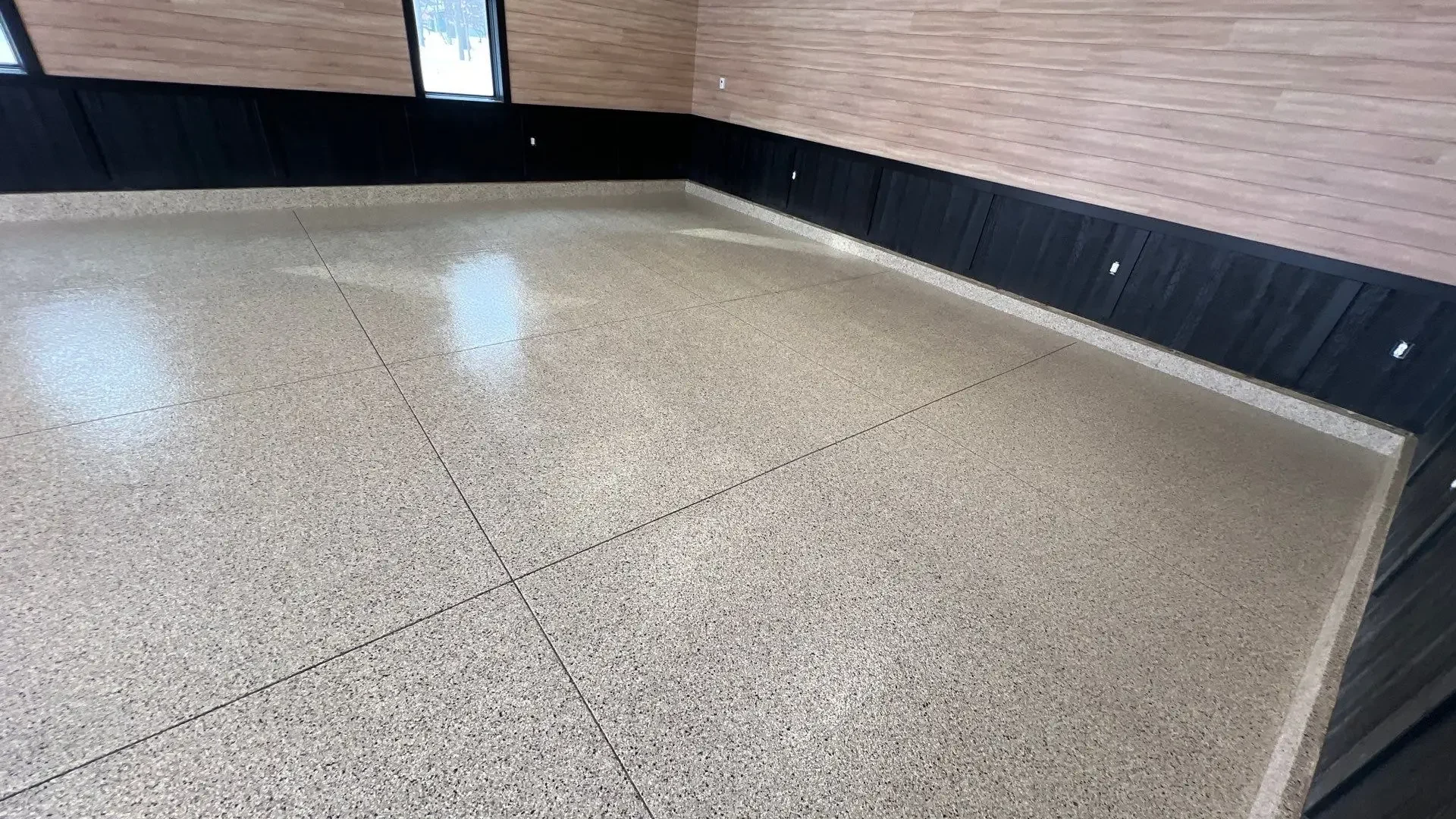
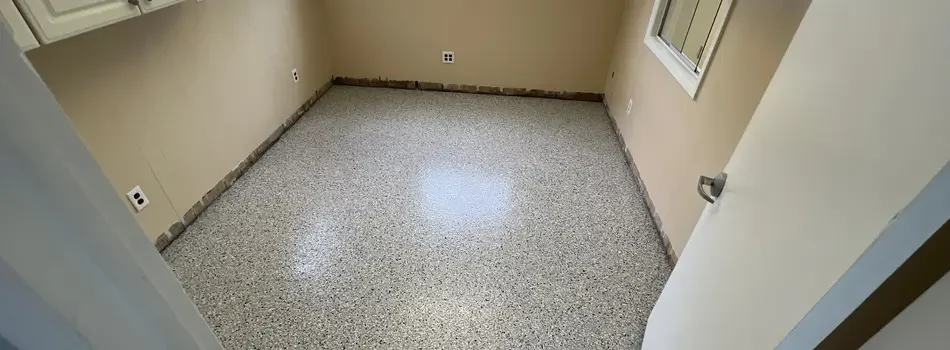
Choosing a basement floor usually comes down to two finishes: a seamless epoxy coating or ceramic and porcelain tile. Both can look sharp and hold up well, but they behave differently once moisture, cracking, and everyday wear come into play. For homeowners across Grand Rapids and the surrounding West Michigan area, the right choice depends less on which material wins on paper and more on the condition of the concrete underneath and how the space will actually be used.
Start With the Slab, Not the Surface
Before comparing finishes, it helps to understand what the slab is dealing with. Basement moisture generally shows up in one of three ways: bulk water entering from outside, water vapor moving up through the concrete, or condensation forming on a cold surface. According to University of Minnesota Extension, each of these has a different cause and a different fix, and an interior coating or tile installation alone will not resolve a drainage problem at the source. Figuring out which type of moisture is present is a more useful first step than deciding on a finish.
This matters for both materials. A slab with an active bulk-water issue will undermine tile and epoxy alike. Manufacturer guidance on resin flooring points to the same conclusion: surface contaminants, how the concrete was prepared, and existing moisture conditions all need to be evaluated against what the chosen system requires before installation, since a floor that looks dry is not the same as a floor that is ready.
Durability: Neither Material Is Crack-Proof
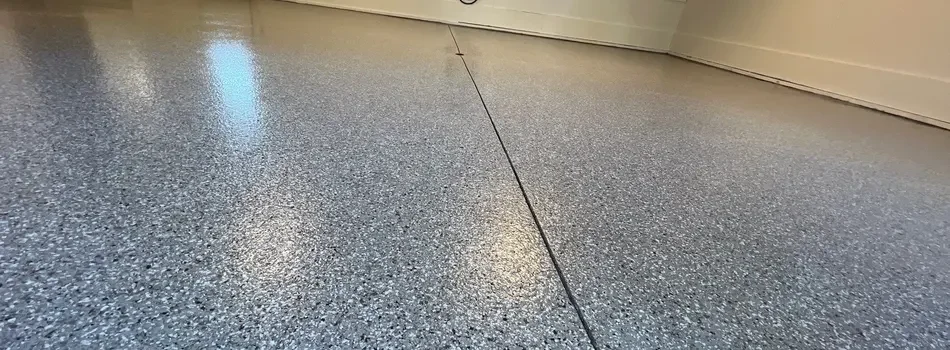
Durability claims for both epoxy and tile depend heavily on what is happening below the surface. Concrete movement or cracking can telegraph through a rigid epoxy coating or through tile and grout lines, so neither finish should be treated as immune to the slab's own condition. The deciding factor is less about the surface material and more about how well existing cracks and movement are addressed before installation.
- Epoxy coatings form a continuous, grout-free surface, which removes one common point of wear (grout joints) but means the coating itself needs to be matched to the slab's prep and moisture conditions.
- Tile offers more material variety, and porcelain specifically is defined by very low water absorption, generally 0.5% or less, which is a property of the tile itself rather than a guarantee about the full floor assembly.
- Grout and sealants around a tiled basement floor add another variable, since movement at those joints is a common source of visible cracking even when the tile itself holds up.
Comfort: Warmth, Texture, and Underfoot Feel
Comfort comes down to a few separate factors rather than one simple "which is softer" answer. Ceramic tile conducts heat efficiently, which is why it pairs well with radiant floor heating systems when that kind of setup is part of the plan. Some epoxy coating systems can also be installed over radiant-heated concrete, provided the product is approved for the application and the manufacturer's temperature requirements are followed. A smooth, glossy epoxy finish can become slippery when wet, while a textured topcoat improves grip, so the specific finish chosen matters more than the material category alone.
Maintenance: The Details That Change the Comparison
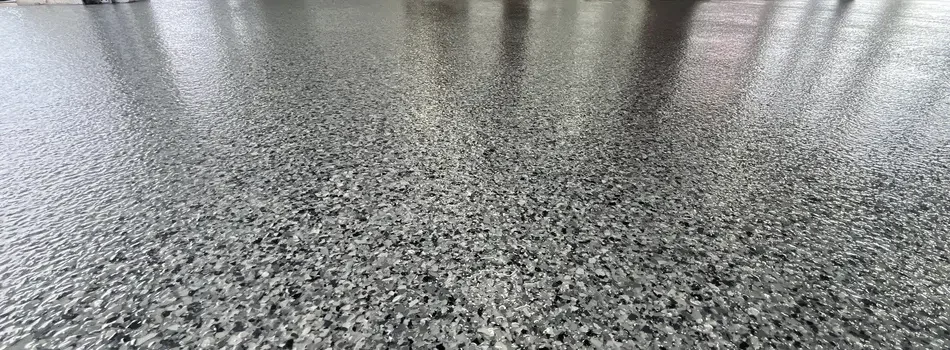
Maintenance is often where epoxy and tile get compared unfairly, since the real difference depends on the specific products used rather than the material type in general.
| Factor | Epoxy Coating | Tile |
|---|---|---|
| Joints | Seamless, no grout lines to maintain | Grout lines require attention; cementitious grout is porous and can absorb stains, while epoxy grout is significantly more stain-resistant |
| Routine cleaning | Sweeping or dust-mopping to remove abrasive dirt, then mopping with a suitable cleaner | Sweeping and mopping, with extra attention to grout lines depending on the grout type used |
| Surface wear | Can scratch over time; topcoat abrasion resistance affects long-term performance | Durable surface, though grout is typically the first area to show wear |
| Heating compatibility | Some systems are compatible with radiant floor heating; confirm product and temperature requirements | Well suited to properly designed radiant floor heating assemblies |
In short, an epoxy floor finished with a stain-resistant topcoat and a tiled floor set with epoxy grout can perform similarly on maintenance, while a basic cementitious grout job will demand more upkeep over time. The grout and topcoat selection, not just the base material, is what determines how much work the floor needs going forward.
What Premier Edge Concrete Solutions Offers for Basement Floors
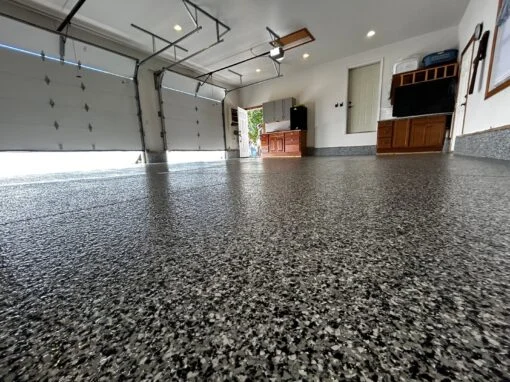
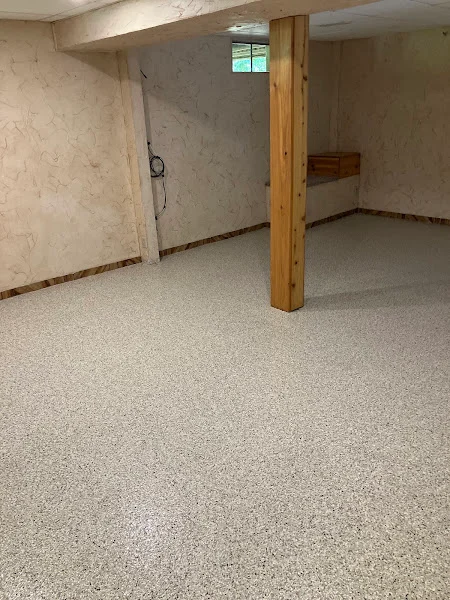
Premier Edge Concrete Solutions provides basement coatings and epoxy flooring for homeowners throughout West Michigan, with Grand Rapids serving as the primary service hub. Available basement coating options include moisture-mitigating primers when needed and decorative flake systems, giving homeowners ways to address slab conditions and finishing preferences within a professionally installed coating system. Premier Edge Concrete Solutions advertises a lifetime warranty on indoor coatings, subject to the applicable written warranty terms.
For homeowners comparing coating options specifically, our basement epoxy flooring page covers what a professional installation includes, and our guide on choosing the best coating for a basement floor goes deeper into selecting the right system for your space.
Get a Basement Floor Opinion You Can Trust
If you are weighing epoxy against tile for a basement in Grand Rapids or anywhere else in West Michigan, Premier Edge Concrete Solutions can take a look at your slab and talk through which coating options fit your situation. Call (616) 816-2300 to schedule a conversation about your basement floor and learn more about our lifetime warranty on indoor coating installations.