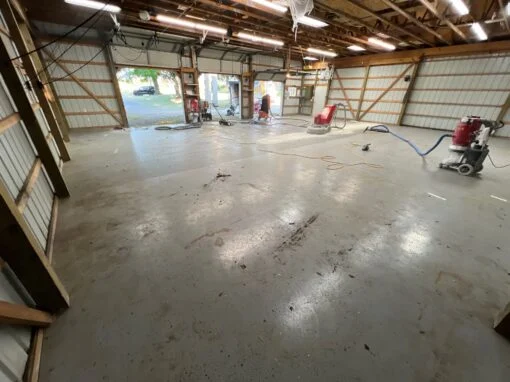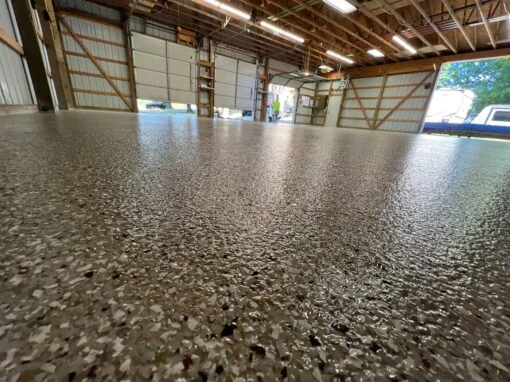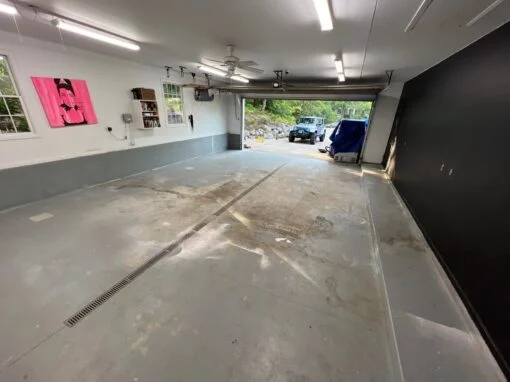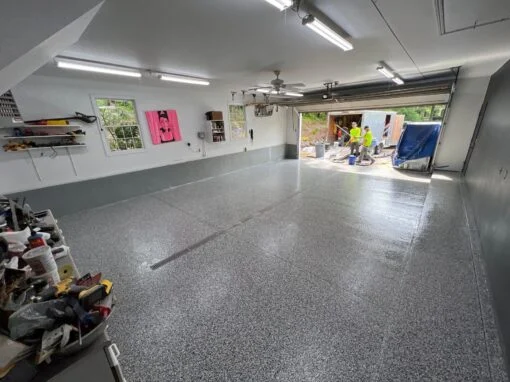
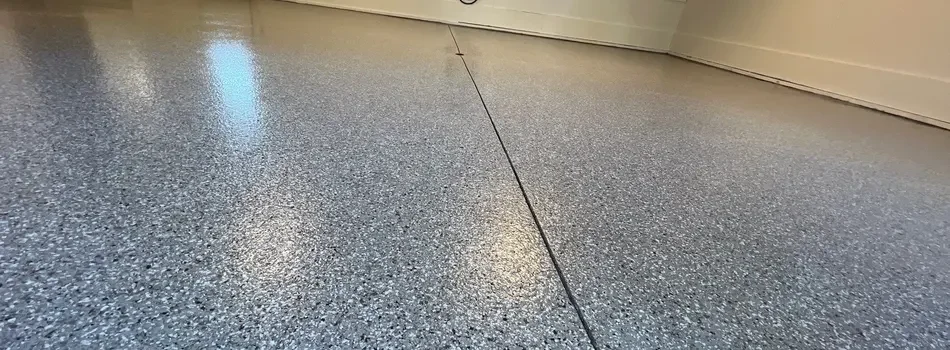
If you are turning a garage or basement into a home gym, the flooring decision usually comes down to two options: a poured epoxy coating or a rubber surface. Both can work well, but they solve different problems. Epoxy creates a continuous, easy-to-clean finish, while rubber is built to cushion impact and absorb sound. The right choice depends on how you actually train, not just which floor looks better. For basement gyms in particular, moisture behind the slab matters more than the finish on top of it.
Choose by How You Train, Not Just How It Looks

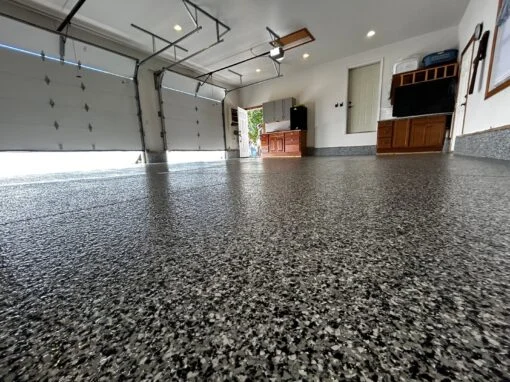
A home gym used mainly for cardio equipment, stretching, or light strength work has very different flooring needs than a space built around heavy free weight training. An epoxy coating gives you a seamless, durable surface that is straightforward to clean between sessions, which suits equipment based workouts and general use well.
Rubber flooring is designed around impact. REGUPOL, a manufacturer of fitness flooring, lists underfoot comfort, sound absorption, and impact absorption among the features of its aktiv rubber flooring. For areas where free weights are regularly dropped, REGUPOL specifically positions its aktivpro product for heavy free weight use rather than treating all rubber flooring as interchangeable. In other words, the right pick is not just "epoxy" or "rubber," it is matching the product to the actual duty the floor needs to handle.
Comfort, Sound, and Everyday Feel Underfoot
If standing or lying on the floor for long stretches matters to you, rubber's cushioning will generally feel softer and quieter than a hard troweled coating. Epoxy, by comparison, is a hard resinous surface. According to Sherwin-Williams, resinous floors like epoxy can scratch under certain conditions, and cracks in the underlying concrete can eventually telegraph through the coating. That does not make epoxy a poor choice for a gym, but it is worth knowing going in that it will not hide every substrate issue or resist every impact.
Smooth resin floors can also become slippery when wet, which is relevant if sweat, water bottles, or post workout cleaning leave moisture on the surface. Adding texture to an epoxy finish can improve traction in these situations.
Basement Home Gyms: Solve Moisture Before You Choose a Finish
Basements are a popular spot for a home gym because they are out of the way, but below grade spaces come with a moisture variable that garages typically do not face. The University of Minnesota Extension notes that basement moisture can come from liquid water, vapor movement through the slab, or humid air condensing on cool surfaces. A coating or mat placed over an unresolved moisture source is not a fix, it just hides the problem until it resurfaces as peeling, odor, or a damaged subfloor.
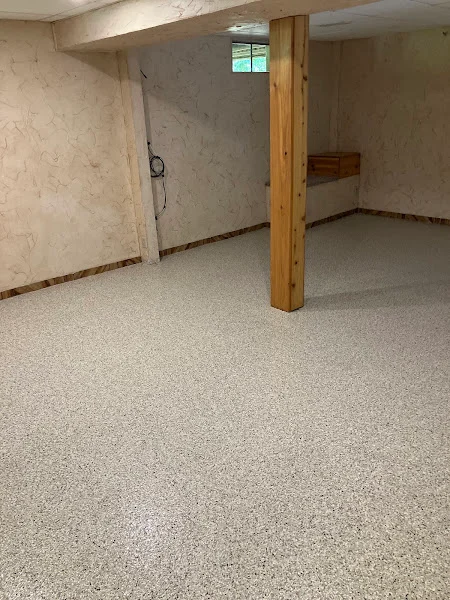
This is also where Premier Edge Concrete Solutions' documented basement coating options come into play. A moisture vapor barrier is a confirmed offering that can be part of a basement epoxy installation when it is needed for the specific slab conditions, and broadcast flake or quartz systems are available as well. Neither is a default on every project. The right combination depends on what is actually happening with that basement floor, which is something to confirm during an evaluation rather than assume ahead of time.
Maintenance You Can Actually Expect
Neither surface is maintenance free, but the routines look different:
- Epoxy: Sherwin-Williams recommends regularly removing abrasive dirt and grit, then mopping with water and an appropriate pH neutral cleaner to protect the finish over time.
- Rubber: Manufacturer guidance for fitness rubber generally calls for vacuuming plus a wet cleaning step using a product suited to that specific surface, such as a near neutral pH cleaner designed for rubber flooring.
The takeaway is that low maintenance does not mean no maintenance for either material, and the best results come from following the cleaning guidance for the specific product installed rather than a generic routine.
Can You Combine Epoxy and Rubber?
Layering a rubber mat over a coated floor, or coating part of a space and placing rubber tiles in a free weight zone, is a common approach for home gyms that mix workout types. Before planning a combined setup, it is worth confirming a few details with whoever is installing it: whether the chosen mat, adhesive if any, and coating are compatible with each other, and whether the coating needs a full cure period before equipment is placed on it. These are project specific questions rather than a one size fits all formula.
Where This Fits With Garage Floor Coating and Basement Floor Coating Projects
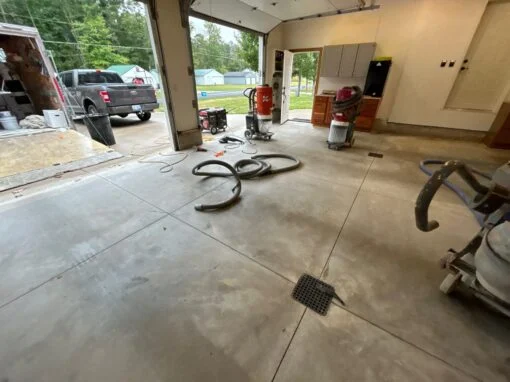
For many West Michigan homeowners, the home gym conversation starts as part of a broader epoxy floor coating project for a garage, or an epoxy basement floor upgrade. Indoor epoxy coatings installed by Premier Edge Concrete Solutions are backed by a lifetime warranty, which is worth knowing as you weigh a coated floor against a rubber system for your workout space. If you want to understand what is involved before committing, the concrete coating process page walks through what happens from evaluation to finished floor.
Ready to Talk Through Your Home Gym Floor?
Whether you are leaning toward a coated garage floor, a basement space that needs a moisture check first, or a combination approach, Premier Edge Concrete Solutions installs epoxy floor coatings for homeowners across Grand Rapids and the surrounding West Michigan area. Call (616) 816-2300 to talk through your space and find the right fit for how you actually train.